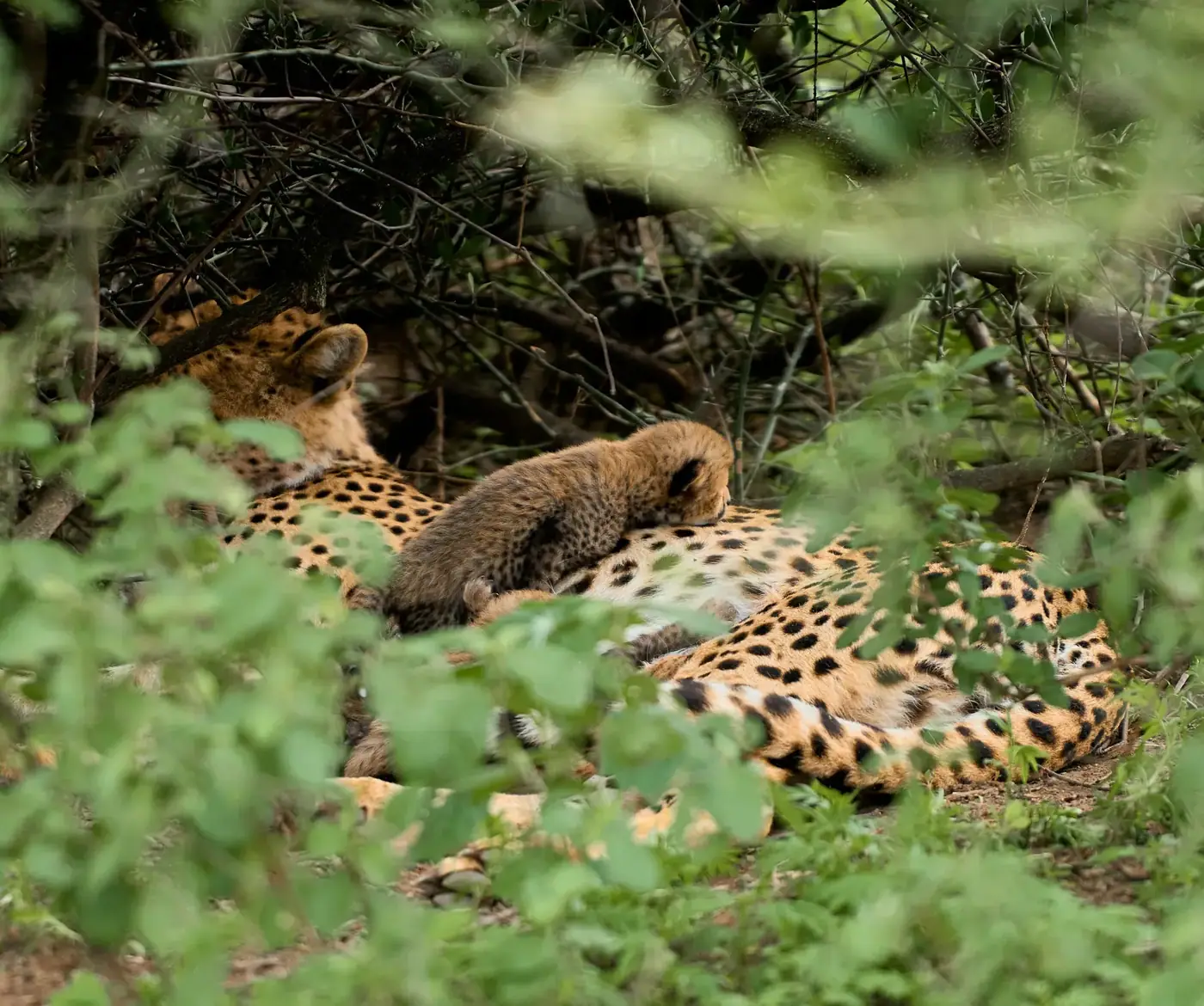
The hour you head out can change what you see. Animals follow daily rhythms driven by temperature, food and safety, and planning your day around them improves both sightings and photos.
Early morning: the golden window
Dawn is cool, and many animals are active after the night. Predators may still be on the move, and herbivores come out to graze. Soft light is wonderful for photography.
Setting out around sunrise often yields lions finishing a hunt, hyenas returning to dens and cats crossing roads.
Midday: slow and sleepy
As temperatures climb, many animals seek shade or water. Lions sleep, leopards rest in trees, and elephants head for rivers. Midday is still good for birds, reptiles and animals at waterholes.
- Use the break for lunch at camp.
- Visit hippo pools and rivers.
- Scan shady trees for resting cats.
Late afternoon: the second wave
As the heat fades, animals become active again. Herbivores graze, predators begin to stir and light turns warm. This is another prime time for photographs.
Be mindful of park closing times, as national parks usually require you to be out of the park or at camp by dusk.
Season matters too
In the dry season, wildlife gathers near water, making sightings easier at midday too. In the green season, animals spread out and vegetation is thicker, but birds and newborns abound.
Local conditions vary, so ask your guide for the current pattern.
Final thoughts
The best approach is to match your drives to the animals' schedule: early starts, a midday rest and a late-afternoon excursion. Many camps offer full-day drives with picnic lunches for the best of all worlds. Browse our safari tours to find schedules and guides that maximise your time in the bush.