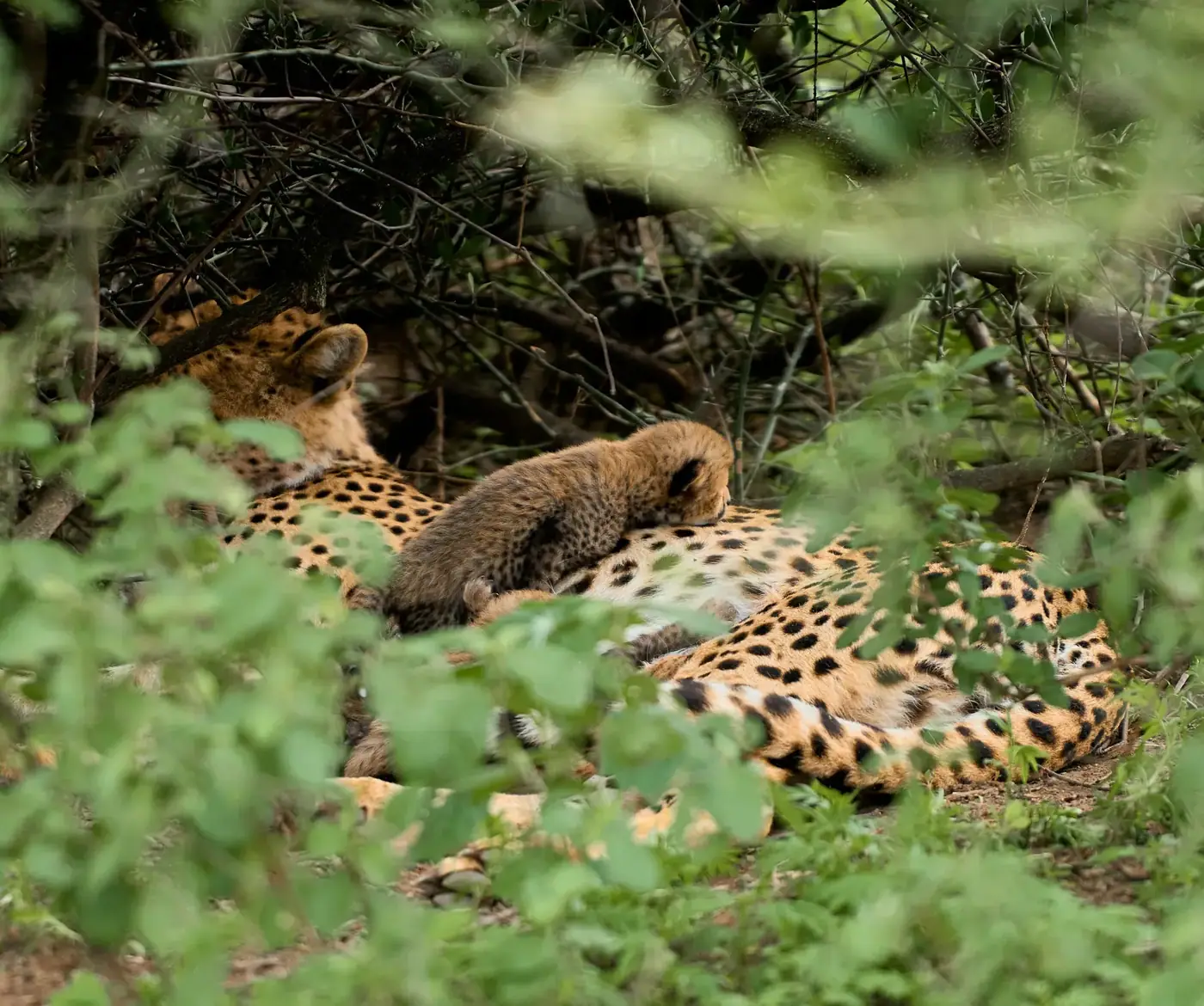
Almost every safari brochure mentions the Big Five. The phrase has a fascinating origin and still shapes how many travellers plan their trips. Here is what it means and how to tick them off.
Where the term came from
The Big Five originally referred to the animals considered most dangerous and difficult to hunt on foot: lion, leopard, elephant, Cape buffalo and rhinoceros. The term comes from the days of trophy hunting.
Today it is used by wildlife watchers as a bucket list of iconic animals, with cameras replacing guns.
The five animals
Each of the five has its own appeal and challenge.
- Lion: the social king of the savanna, seen in many parks.
- Leopard: elusive and solitary, best found at dawn and dusk.
- Elephant: common and rewarding to watch in family herds.
- Buffalo: widespread, often in large herds.
- Rhino: rarest of the five, with black rhinos in Ngorongoro.
Which is hardest to see?
Rhinos and leopards are usually the hardest. Rhinos are critically endangered and live in only a few protected places, while leopards are camouflaged and nocturnal. Lions, elephants and buffalo are far easier.
A patient approach and several days on safari improve your chances.
Looking beyond the list
The Big Five is a good starting point, but it can narrow your focus. Cheetahs, hyenas, wild dogs, giraffes and hippos are just as fascinating. Birds and small animals add colour.
Many experienced travellers say the best moments come from behaviour, not boxes ticked.
Where to see them
The Serengeti and Ngorongoro Crater together offer a strong chance of all five. Tarangire, Ruaha and Nyerere add alternatives. Browse our safari tours to compare itineraries and choose the route that suits your interests and timing.