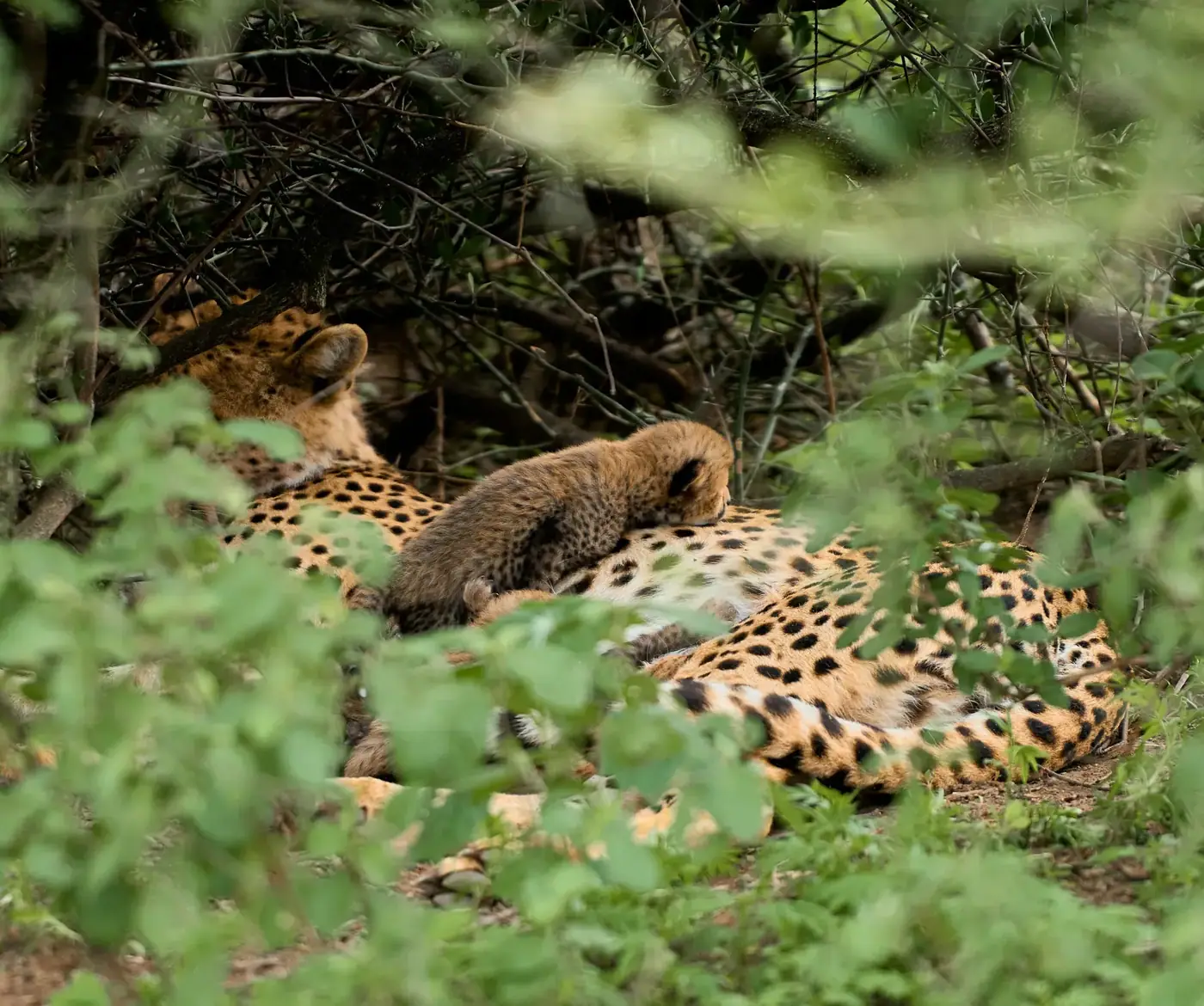
A flat camera battery halfway through a leopard sighting is a bad feeling. Understanding electricity in East Africa takes only a few minutes and prevents most problems. Here is a general guide to what you will find, though you should always verify details for your specific lodges.
Voltage and plug types
East African countries generally use around 230 volts. Tanzania, Kenya and Uganda commonly use the three-rectangular-pin plug often called type G, while some older sockets use other styles, and Rwanda has more often used round-pin types. Standards and local installations vary, so a universal adapter is the safest choice.
Check your devices
Modern phone, laptop and camera chargers usually accept a range of voltages. Look for a label reading something like 100-240V on the charger. If your device lacks this, you may need a voltage converter. Hair dryers and other heating items from countries with a lower voltage are best left at home.
Charging at camps and lodges
Many lodges have mains power in rooms, while some tented camps run on generators or solar systems, with charging available only at certain times or in a central area. Ask in advance, and bring a multi-port USB charger so you can charge several items quickly.
- Universal travel adapter
- Power strip or multi-port charger
- Power bank for long days
- Spare camera batteries, fully charged each night
- A small zip bag to keep cables organised
Charging in the vehicle
Some safari vehicles have USB ports or a power outlet, but this is not guaranteed. Ask your operator whether charging is available and what sort of connection to bring. Never rely on the vehicle as your only power source.
Safety tips
Do not leave devices charging unattended in a tent or near flammable material. Protect electronics from dust with pouches, and avoid overloading sockets. Power cuts happen occasionally, so a head torch is a useful backup.
Plan your charging routine like a schedule. Plug in batteries during lunch or after dinner, rotate them, and label charged ones so you do not mix them up in the dark. Even a modest routine ensures you have power when the best light arrives.
- One universal adapter per traveller
- A spare short extension cord
- USB cable that matches your devices
- Waterproof pouch for electronics
- A spare memory card for each camera
Keep in mind that sockets in older buildings can be loose, which makes heavy adapters sag. A short cable or a small extension lead helps. If you share a socket with other guests, be considerate and unplug your charged devices promptly so everyone gets a turn.
Final thoughts
Bring a universal adapter, a power bank and spare batteries, and ask your lodges about charging arrangements. Then you can focus on the wildlife. Browse the tours on Map Adventure Safari when you are ready to plan, and check with your operator for details about each stay.