Tarangire National Park is often treated as a stopover between Arusha and the Serengeti, which is a shame, because it delivers some of the most atmospheric wildlife viewing in northern Tanzania. Ancient baobab trees, rolling hills, and a river that draws animals from across the surrounding plains make it a rewarding destination in its own right.
What makes Tarangire special
The park is built around the Tarangire River, one of the few reliable sources of water in the region during the dry months. As the surrounding countryside dries out, wildlife migrates in, and the riverbanks fill with animals. Tarangire is best known for its elephants, which gather in large family groups and are among the most memorable sights of any northern safari.
The landscape is distinctive too. Baobab trees, some of them hundreds of years old, stand above the grassland and acacia woodland, giving the park a look that is quite different from the open Serengeti plains.
Wildlife you can expect
- Elephants: the signature species, especially along the river in the dry season.
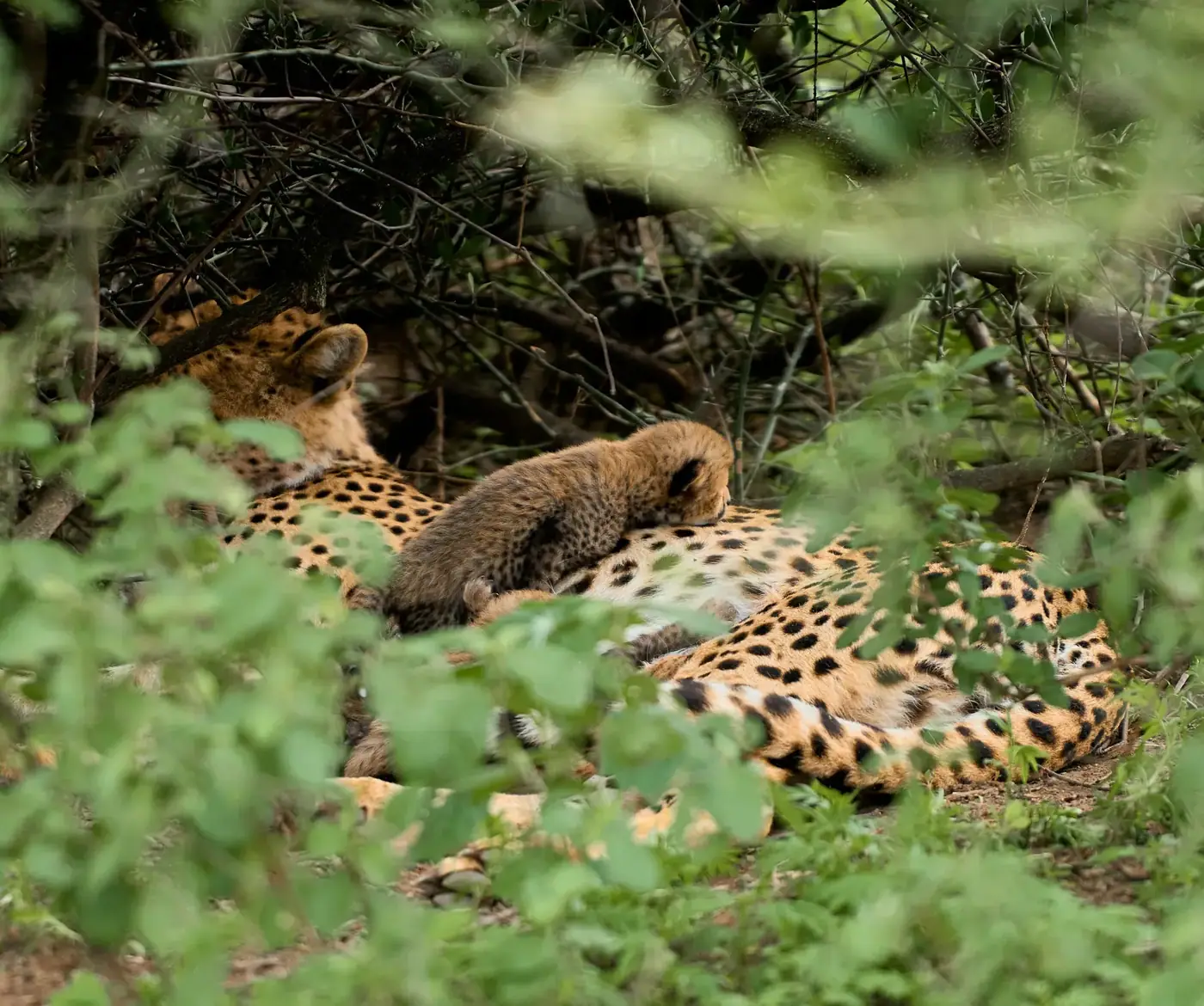
- Lions and leopards: lions are regularly seen, and leopards turn up with patience and a good guide.
- Plains game: zebra, wildebeest, buffalo, giraffe, impala and eland are all common.
- Rarer species: gerenuk and fringe-eared oryx are possible, and are more typical of drier country.
- Birds: the park has a very long bird list, including many woodland species, and is a favourite with birders.
Tarangire is also known for pythons and tree-climbing lions in some areas, though these are never guaranteed.
Best time to visit
The dry season, roughly from June to October, is the classic window for wildlife concentrations around the river. Game viewing is easy, roads are generally in good condition, and the grass is shorter. The green season brings lush scenery, newborn animals and fewer vehicles, but animals disperse across a larger area, so sightings can take more effort.
How long to stay
A single full day gives you a good taste, but one night inside or near the park lets you enjoy early morning and late afternoon light, when animals are most active. Many travellers combine Tarangire with Lake Manyara and the Ngorongoro Crater before heading to the Serengeti. Two nights is a comfortable length if you want to explore the quieter corners of the park rather than just the river.
Getting there
The park lies roughly a two to three hour drive from Arusha, depending on road conditions and stops, which makes it easy to reach at the start of a trip. It also works well as a short add-on for travellers with limited time.
Practical tips
- Bring binoculars; the birdlife and distant elephants reward them.
- Pack a hat, sunscreen and neutral-coloured clothing, as the dry season can be hot and dusty.
- Tsetse flies can be present in some wooded areas, so light long sleeves help.
- Ask your guide about a picnic lunch spot with river views.
Final thoughts: Tarangire rewards travellers who slow down. If you would like to see how it fits into a wider itinerary, browse our safari tours and compare routes that include it.