You do not need to be an elite athlete to climb Kilimanjaro, but you do need solid endurance and the ability to walk for many hours on consecutive days. Good preparation improves your comfort, reduces injury risk and helps you enjoy the experience. This guide offers a general plan; check with your doctor before beginning any new training programme.
Start early and build gradually
Many trekkers aim to begin training roughly three months before departure, though longer is better if you are starting from a low base. The goal is steady progress rather than sudden effort. Start with comfortable sessions and slowly increase duration and intensity each week.
The core of your training
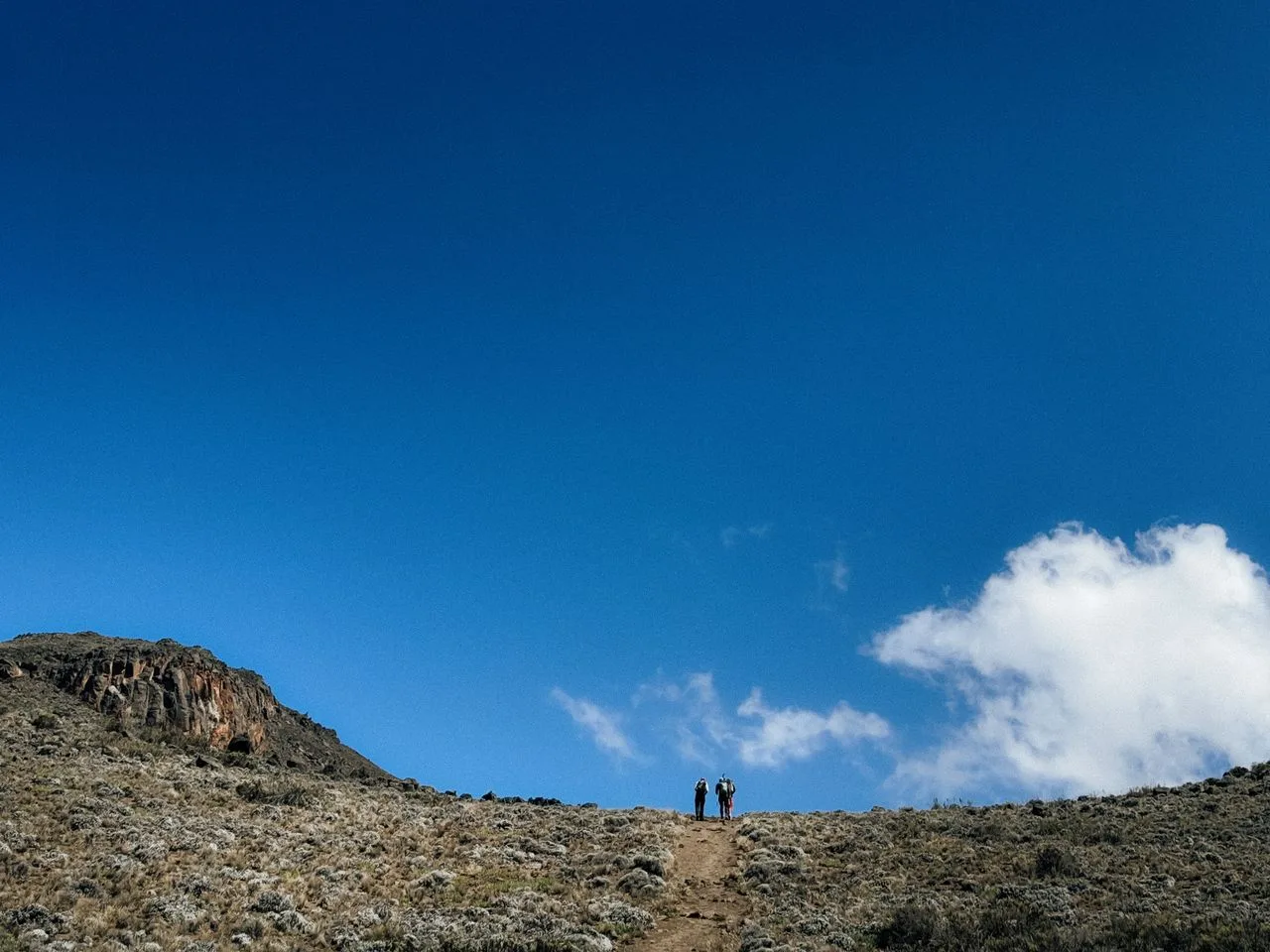
- Hiking: the best preparation is walking uphill for hours, ideally with a loaded daypack. Aim to build to long weekend hikes of five to seven hours.
- Cardio: brisk walking, running, cycling or swimming two to three times a week improves your aerobic base.
- Strength: squats, lunges, step-ups and calf raises prepare your legs, while core exercises support your back under a pack.
- Back-to-back days: try hiking on consecutive days to simulate multi-day fatigue.
Practise with your gear
Wear your boots on every long hike so they are broken in and your feet toughen up. Test your daypack, socks and layers to discover rubbing or discomfort before you leave. Trekking poles are worth practising with, particularly for downhill sections.
Think about downhill too
Descending Kilimanjaro is hard on knees and quadriceps. Include downhill walking and eccentric leg exercises such as slow step-downs in your plan. Some people find this the toughest part of the entire trek.
Mental preparation
Summit night starts around midnight, in the cold and dark, and lasts many hours. Being able to keep going when you are tired and uncomfortable matters as much as fitness. Practise early starts, long days and staying patient. Remember that fitness does not guarantee immunity to altitude effects, so go slowly and listen to your guides.
Health checks
See your doctor for a check-up, especially if you have heart, lung or joint issues, are over a certain age, or take regular medication. Ask about vaccinations and altitude medication, and make sure your insurance covers the activity.
If you cannot reach real hills, use what is available: stair climbing in a tall building, treadmill inclines or a weighted rucksack on local trails all help. Rest days matter as well, because your body adapts during recovery, not during effort. Listen to niggles in your knees or feet and address them early, rather than carrying an injury onto the mountain.
Final thoughts
Consistency beats intensity. A gradual, sensible programme will leave you more prepared and more likely to enjoy every step of the trek. When you are ready to commit, browse our Kilimanjaro tours and pick a date that gives you enough time to train.