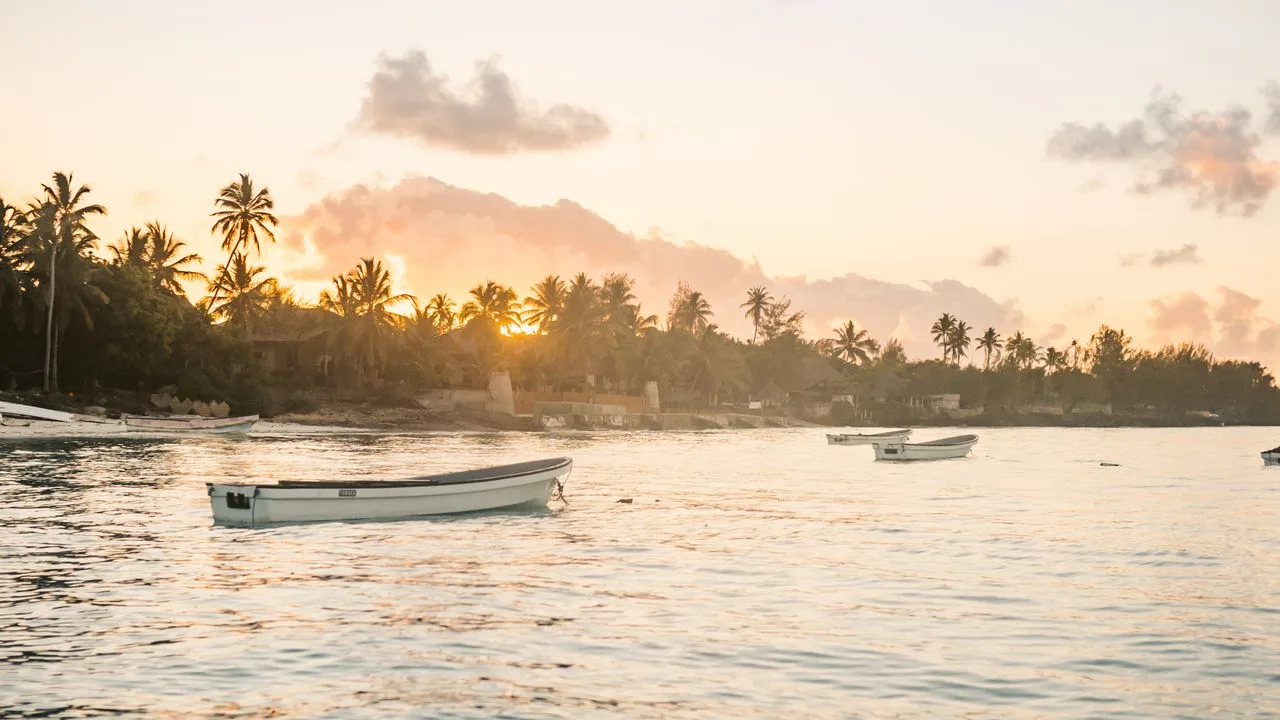
Many people think of Zanzibar purely as a beach destination, yet it also has a rewarding wildlife stop. Jozani Chwaka Bay National Park, near the island's south-east, protects the Zanzibar red colobus, a monkey found nowhere else in the world.
What is Jozani?
Jozani is a patch of ground-water forest and mangrove, the largest remaining natural forest on Zanzibar. It sits on the way between Stone Town and the east-coast beaches, which makes it easy to fit into a transfer day or a morning from Paje or Jambiani.
The red colobus
The Zanzibar red colobus is a striking monkey with reddish-brown fur and a pale face fringe. It is endangered and considered quite habituated to people here, so sightings are typically excellent. Guides lead small groups through the trees, and you can often watch the monkeys at close range feeding or resting.
Please keep your distance, never feed them and keep voices low.
Other things to see
- A boardwalk through mangroves, showing the tangle of roots and crab life
- Sykes' monkeys and a variety of birds
- Butterflies and forest insects
- With luck, small antelope such as the shy Ader's duiker, though it is rarely seen
The forest also includes a nature trail with information about local plant use.
Planning your visit
Allow around one to two hours for a standard guided walk. Mornings tend to be cooler, and the monkeys are active then. The paths are mostly flat, but the forest floor can be damp, so closed shoes help. Entry fees support conservation and local communities, and you should use a registered guide.
After the walk, some visitors stop at a nearby spice farm or head on to the beach.
Conservation and community
The red colobus is considered threatened, partly because forest is limited and vulnerable to pressure from farming and development. Jozani is managed together with surrounding villages, and fees from visitors help fund conservation and support local people.
That is why using the official guides matters. They know where the monkeys are likely to be, how to keep stress low for the animals and how to keep you safe. Buying handicrafts or refreshments from nearby community stalls is another way to share the benefit of your visit with local residents. Visitors who go with patience, rather than rushing for photographs, often have the most rewarding encounters.
Practical tips
- Wear light long sleeves and trousers to protect against insects
- Carry water and insect repellent
- Do not touch or approach the monkeys closely, as they can carry diseases and may bite
- Respect the guide's instructions on route and group size
- Keep your voice and movement calm
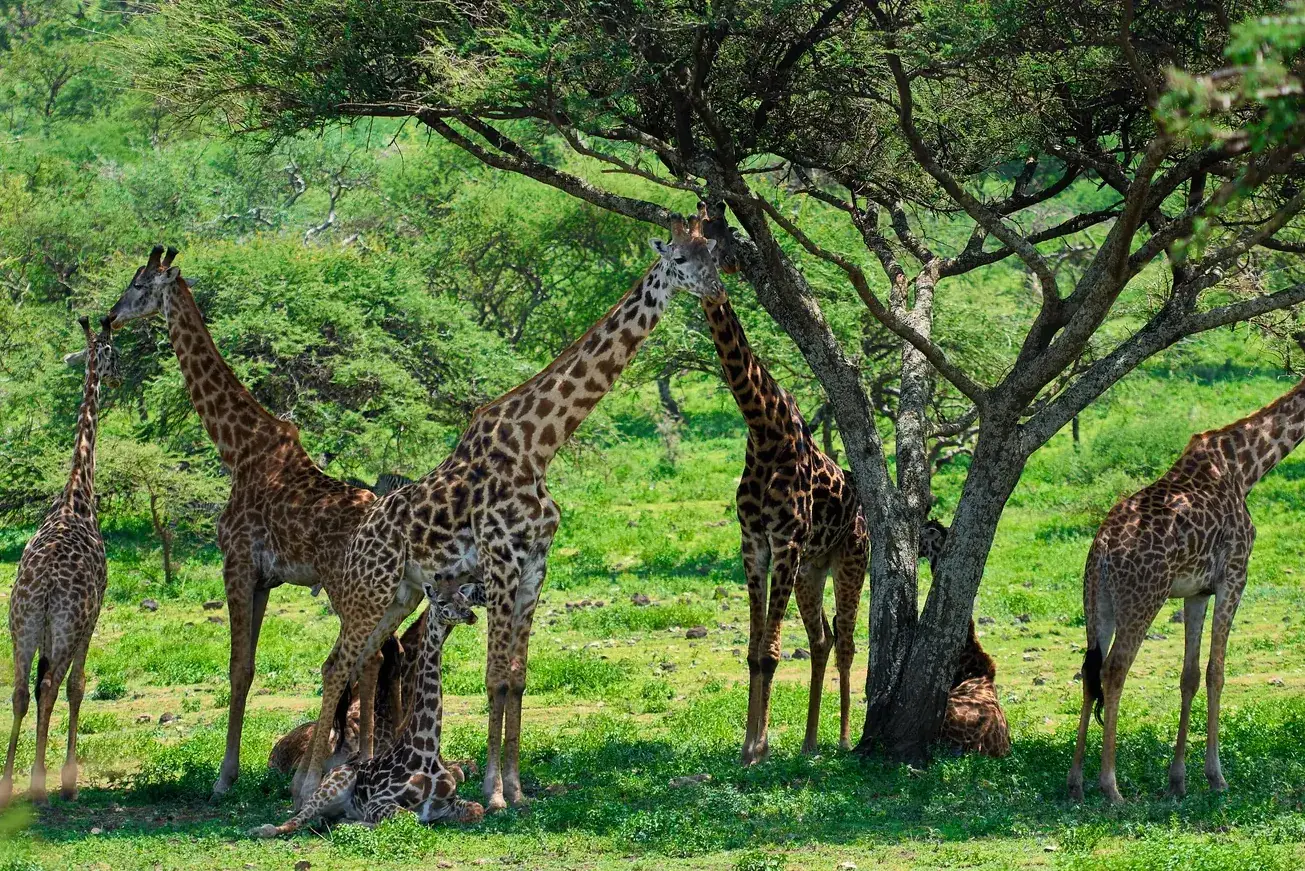
Jozani is a gentle reminder that Tanzania's wildlife extends beyond the savannah. If you are planning a safari followed by time on Zanzibar, browse our tours to see how a forest visit could slot into your journey.