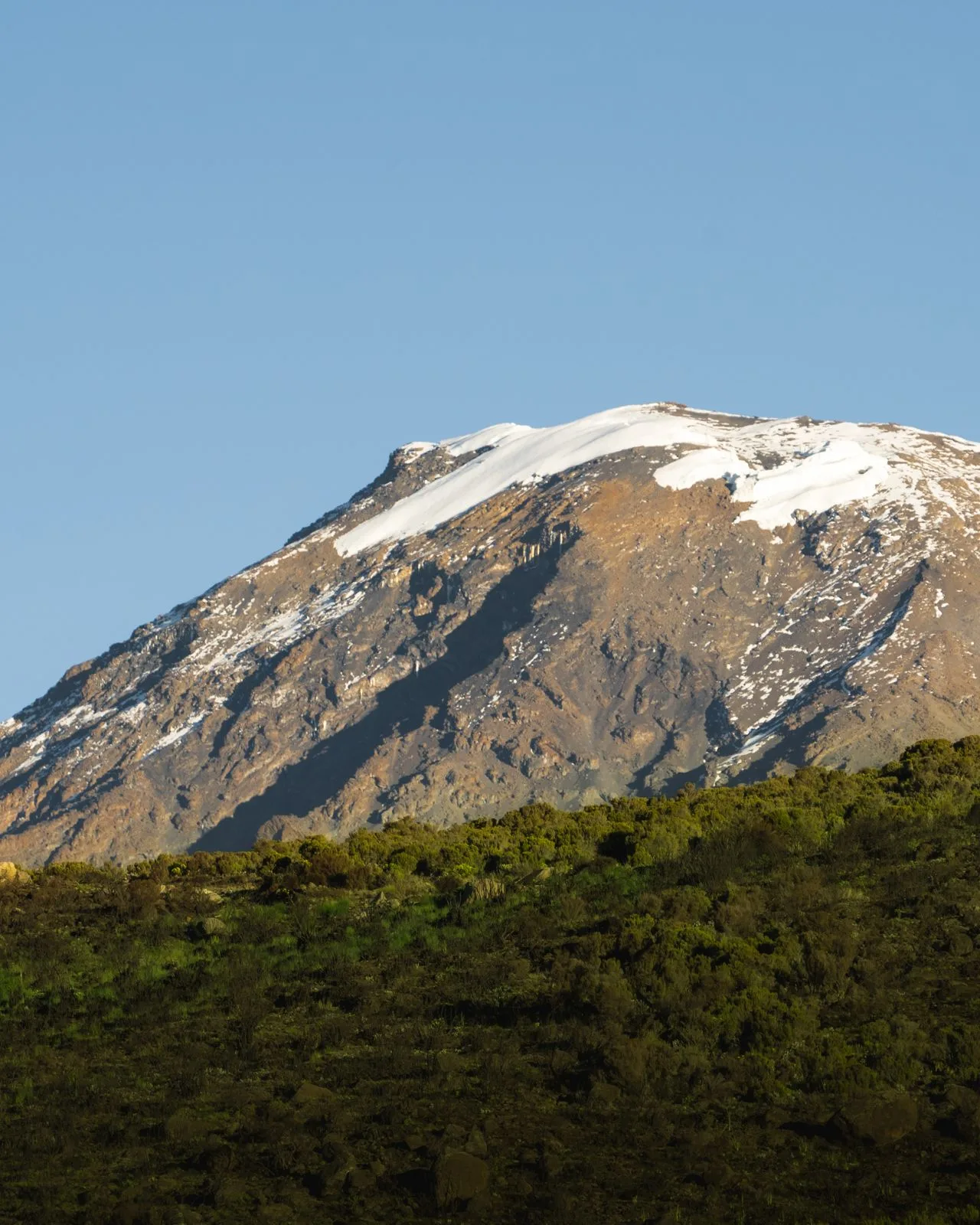
Nicknamed the "Whiskey route", the Machame trail is one of the most popular ways to climb Kilimanjaro, and for good reason. It combines varied scenery, a camping-based itinerary and a profile that helps your body adapt to the thin air. If you are weighing it against other trails, here is what to expect.
Overview of the route
Machame begins on the southern flank of the mountain, in lush montane rainforest, and then climbs through heath and moorland into rocky alpine desert. It is typically completed in six or seven days, with the seven-day version generally preferred because the extra night improves adjustment and gives a little buffer for weather or slow days. Trekkers sleep in tents at designated campsites, with a support crew handling cooking and camp setup.
A typical day-by-day flow
While every operator varies the details, the shape of the trek is usually similar:
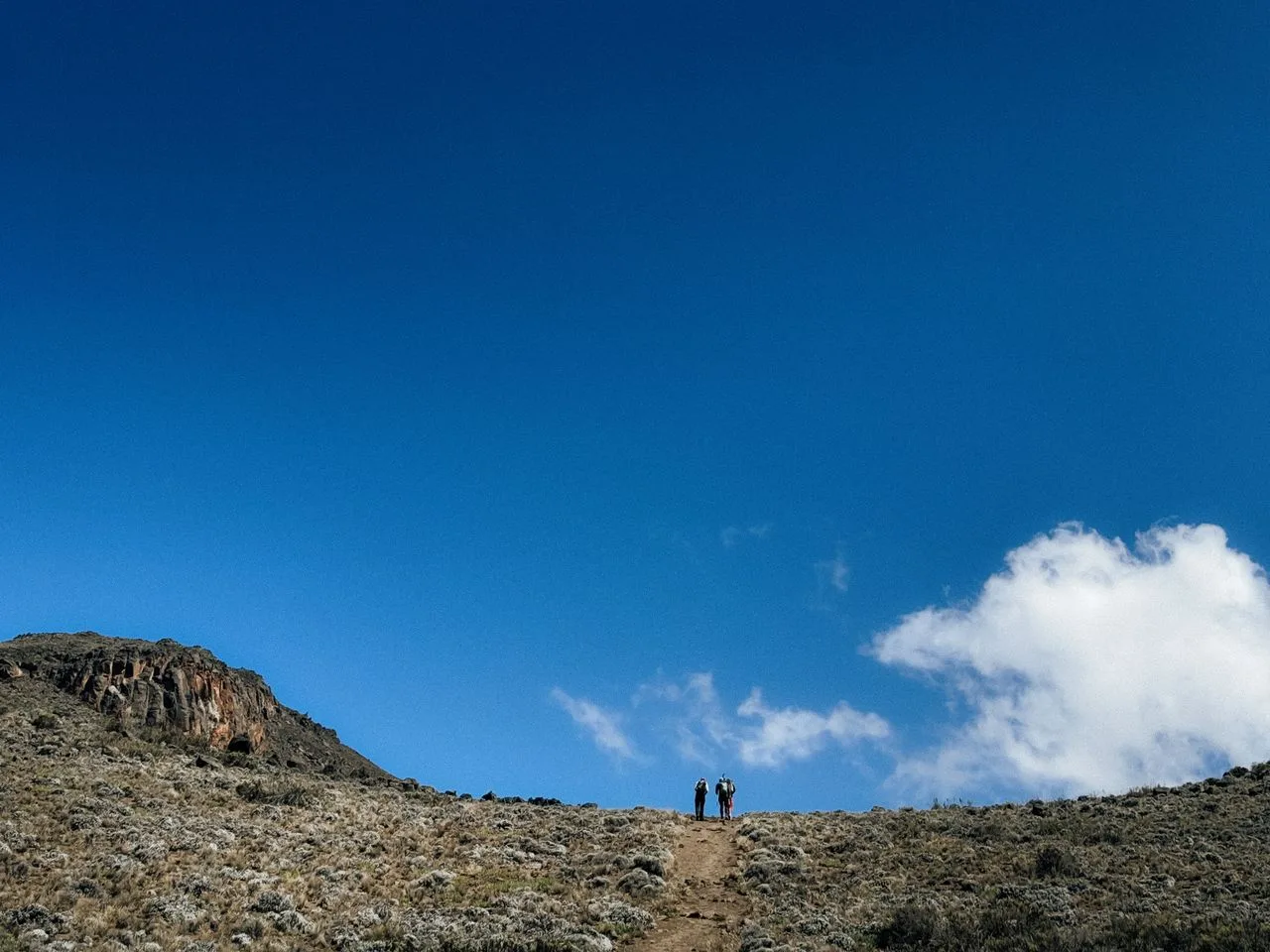
- Early days: a walk through damp forest, then open moorland and the Shira Plateau, with the camp rising each night.
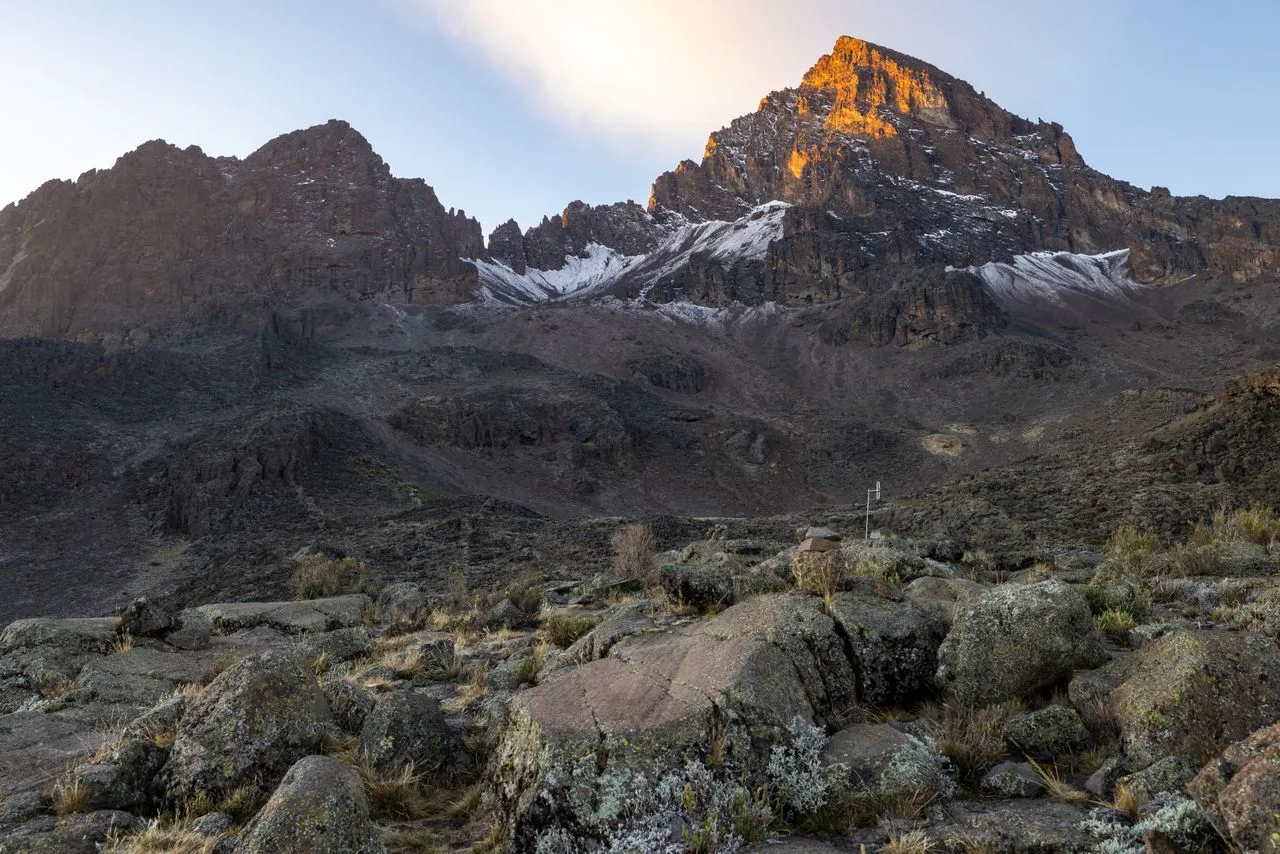
- Lava Tower day: a climb toward the Lava Tower at around 4,600 metres, followed by a descent to camp in the Barranco Valley. This follows the "climb high, sleep low" principle.
- Barranco Wall: a famous scramble up a rock face. It sounds intimidating but is usually a hands-on walk rather than technical climbing, though people with a strong fear of heights should be aware of it.
- Approach to base camp: traversing ridges and valleys to Barafu camp, then resting before the summit attempt.
- Summit night: starting around midnight, a cold, slow climb to the crater rim and on to Uhuru Peak, then a long descent.
Why trekkers like it
Machame is admired for its scenery and its acclimatisation shape. The variety of landscapes is hard to beat, and the Lava Tower detour is widely regarded as helpful. It is also well established, so logistics are well understood by most operators.
Things to consider
Machame can be busy in peak seasons, so campsites sometimes feel crowded. The terrain is steeper and rougher than some beginner-oriented routes, and the descent from the summit can be tiring on the knees. Rain is possible on the southern slopes at any time of year, so waterproof gear matters.
Is it right for you?
Machame suits reasonably fit hikers who are comfortable with multi-day camping and want scenery along the way. You do not need technical climbing skills, but you do need stamina, a positive mindset and good gear. Training with long hikes beforehand makes a real difference.
Food and rest also shape how the route feels. Camp meals are usually hot, filling and prepared by a cook, and a sensible routine of eating, drinking and sleeping early makes each day easier. Take time to look around at camp as well; sunsets above the clouds and the glow of the summit at dawn are some of the quiet rewards that make the effort worthwhile.
Final thoughts
If you want a classic Kilimanjaro experience with excellent views, Machame remains a strong choice, especially on the seven-day schedule. Speak with your doctor about altitude, and when you are ready, browse our Kilimanjaro tours to compare Machame itineraries and guides.
Machame route 6 days or 7 days?
The Machame route 6 days is the classic schedule, while the Machame route 7 days gives better acclimatisation and a higher success rate. Compare options in our route guide.