Rising elegantly to 4,562 metres, Mount Meru is Kilimanjaro's pretty sister: a dormant volcano wrapped in rainforest, full of wildlife and crowned by the spectacular Socialist Peak.
- Out on the Mountain
- Meru at a Glance
- Why Climb Mount Meru?
- Meru's Ecological Zones
- When to Go
- Pick Your Climb
- Why Map Adventure Safari
The Socialist Peak · the second tallest mountain in Tanzania
Height 4,562 m / 14,968 ft · Arusha National Park
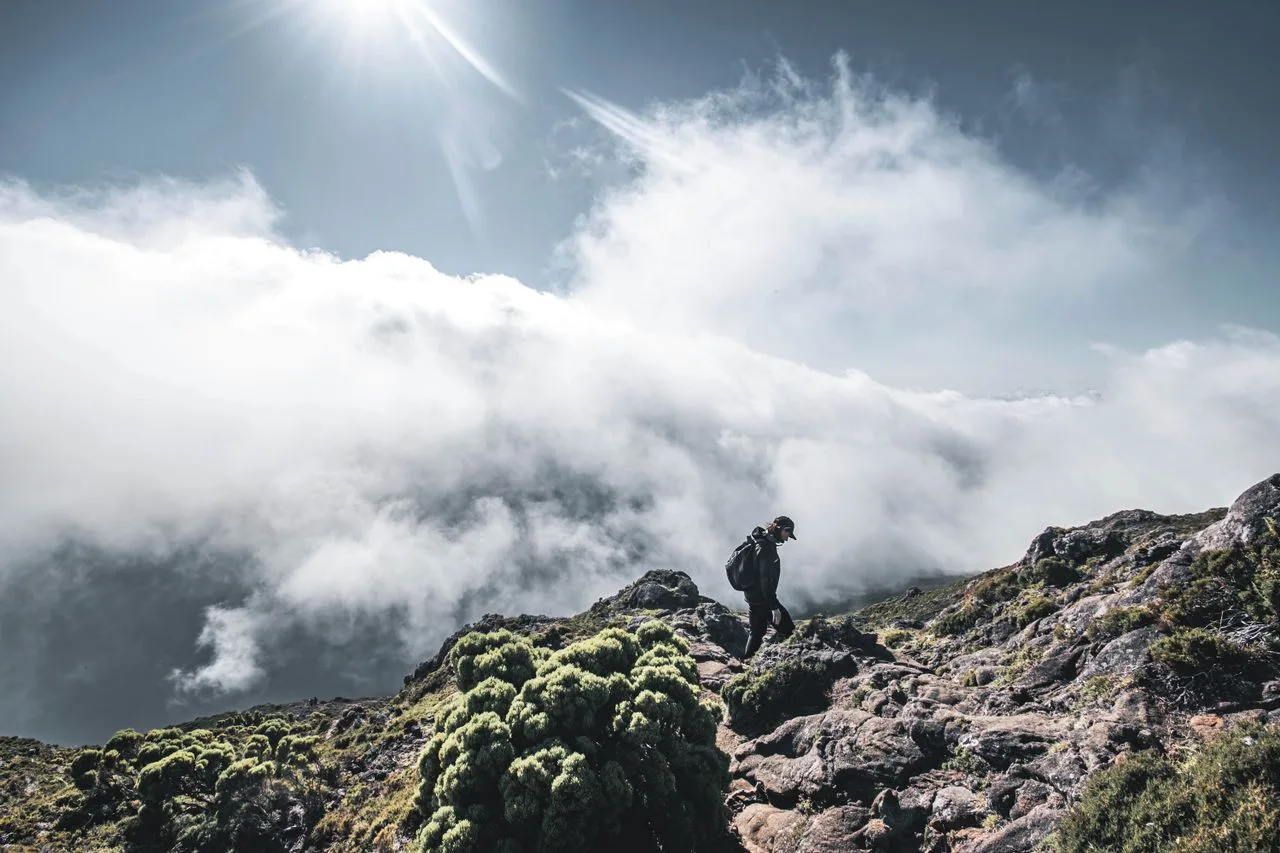
Many people call Mount Meru the pretty sister of Kilimanjaro, and it is known for peaceful trails, dramatic volcanic scenery and a wealth of biodiversity. Your trek begins in a haven for wildlife, where giraffes, buffaloes, zebras and monkeys roam freely.
01 Out on the Mountain
Mountain scenery near the crater
On foot through Arusha National Park
02 Meru at a Glance
For the Wameru (Va-Rwa) people, Mount Meru is a good deal more than just a peak: it anchors who they are, historically, spiritually and culturally. According to oral tradition, the Wameru arrived roughly 300–400 years ago from the Usambara Mountains and the Kilimanjaro area, settled the fertile south-eastern slopes and shared the land peacefully with the indigenous Koningo people. Clan elders regarded the mountain as sacred and prayed there, performing rituals to bring good health, rain and communal wellbeing. During the colonial period Mount Meru became a symbol of resistance as the Wameru defended their ancestral land, and the Meru Land Case of the 1950s played a part in steering Tanzania towards independence.
03 Why Climb Mount Meru?
- Walk alongside wildlife in Arusha NP
- Thick tropical rainforest
- Charming waterfalls and streams
- Towering volcanic cliffs
- Dramatic views into the crater
- Less crowded than Kilimanjaro
- Superb preparation for Kili's altitude
- A beautiful sunrise from Socialist Peak
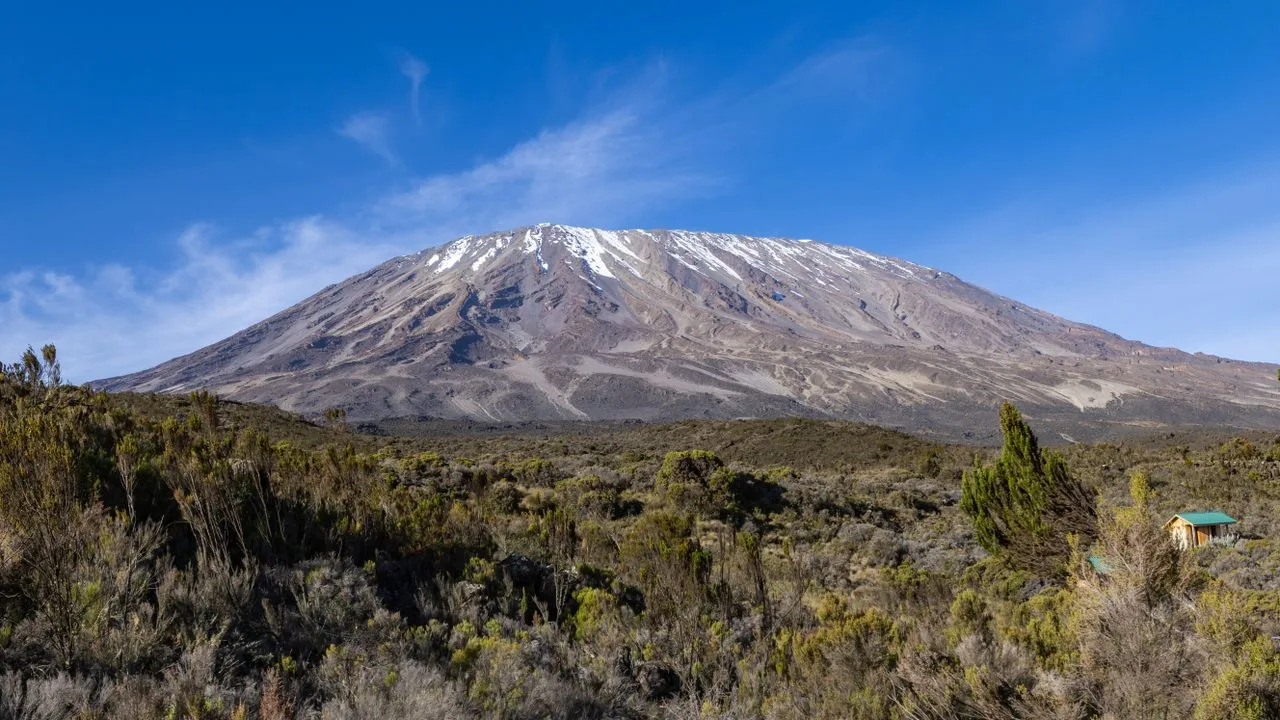
- Wonderful views of Mount Kilimanjaro
More than 400 species of birds · colobus monkeys · giraffes · buffaloes · elephants (occasionally) · leopards (rarely seen) Few mountains in Africa can match Meru for variety of life.
Plants and Animals
Wildlife: leopards (rarely seen), an occasional elephant, hyenas, blue monkeys, colobus monkeys, bushbucks, warthogs, zebras, buffaloes and giraffes.
Birds: Arusha National Park has recorded more than 400 species of birds.
Flora: the vegetation features giant groundsel, wild olive, giant lobelia, juniper, cedar forest, giant heather, bamboo and wildflowers.
Mountain Words Explained
Term / Definition: Altitude, how far you are above sea level. Summit, the highest point of a mountain. Trekking, covering long distances on foot through natural scenery. Acclimatization, letting your body adjust gradually to height. Ascent / Descent, the walk up the mountain and the walk back down. Crater / Ash Cone, a volcanic hollow, with a smaller cone sitting inside Meru's crater. Ridge, a thin raised crest joining two slopes. Porter / Guide / Ranger, a porter to carry the equipment, a skilled lead guide, and an armed park ranger.
04 Meru's Ecological Zones
1. Cultivated Foothills (1,200–1,500 m)
Fertile farmland dotted with villages, producing flowers, vegetables, maize, bananas and coffee.
2. Montane Forest (1,500–2,800 m)
Dense rainforest with tall trees, moss and waterfalls, where buffaloes, giraffes, monkeys and plenty of birds make their home.
3. Moorland and Heath, 2,800–4,000 m
Open moorland dotted with giant heather, giant lobelia and bright wildflowers, plus wide views.
4. Alpine Desert & Summit Zone (Above 4,000 m)
Stony, exposed ground with sparse plant life. Expect volcanic ash, rough ridges and crater views, and Socialist Peak facing Kilimanjaro.
05 When to Go
January – March: Warm days, clear skies, lush greenery and lovely sunrises.
June – October: Cool and dry, with solid trails, sweeping views and easier wildlife spotting, though this is the busiest time.
November – December: Brief rains, greener landscapes, fewer visitors and an occasional shower.
March – May: Heavy rain makes trails slippery, but walkers who relish a challenge will find them quieter.
Why choose the dry season? You get clear skies, safer trails, striking sunrises, great game viewing and perfect conditions for photographs.
06 Pick Your Climb
Both itineraries follow the Momella Route, the only official trekking path up Mount Meru, so what separates them is the pace and how much time you have to adapt to height.
The quicker option for climbers pressed for time. You go from Momella Gate to Miriakamba, on to Saddle Hut, then make the midnight summit push and descend all the way back to Momella Gate.
View the 3-day itinerary and prices →
We suggest adding a night at Miriakamba Hut after the summit, which softens the descent and leaves you more time to recover before heading back to Arusha.
View the 4-day itinerary and prices →
The Full 4-Day Itinerary
Day 1 · Walk from Momella Gate to Miriakamba Hut
A pretty walk through green forest, with a good chance of seeing giraffes, buffalo and birds.
Day 2 · Trek from Miriakamba Hut up to Saddle Hut
The trail rises steadily through alpine meadows and rough ground, offering views over Meru's crater to far-off Kilimanjaro.
Day 3 · Saddle Hut to the summit, then down to Miriakamba Hut
You leave at midnight and push upward to arrive on the Peak at sunrise, with far-reaching views of the Serengeti Plains, Ngorongoro Crater and Kilimanjaro, before going down to Miriakamba to sleep.
Day 4 · Miriakamba Hut to Momella Gate
2–3 h, then transfer to Arusha
A relaxed final walk down through the forest gives you a decent chance of more wildlife sightings, before you finish the exit formalities at the gate.
Accommodation
Prior to the ascent, Arusha offers Gran Meliá, Four Points, Forest Hill, Kibo Palace and Mount Meru Hotel as places to stay.
While on the mountain: you sleep in cosy huts instead of tents, at Miriakamba Hut (2,500 m) and Saddle Hut (3,570 m), which provide beds, dining areas and toilets.
07 Why Map Adventure Safari
- An experienced team on the mountain: guides with training, plus porters and cooks.
- Safety comes first, with health checks and acclimatisation monitoring every day.
- Reliable kit, kept clean and in good order.
- Tailored service for solo travellers, couples, families and groups.
- Local expertise from a Tanzanian-owned company, offering real experiences.
- Easy logistics, with transfers, lodging and safari add-ons all arranged for you.
- Strong backing before you leave, during your trip and after you return.
Every stage of your journey matters to us.
Key Facts
Summit: Socialist Peak, 4,562 m (14,968 ft), inside Arusha National Park. This dormant volcano had a small eruption in 1910. The Momella Route is the sole official path, taking 3 or 4 days, and is best tackled Jan–Mar or Jun–Oct. You sleep at Miriakamba and Saddle huts on the mountain. Look out for more than 400 bird species, along with giraffes, buffaloes, zebras and monkeys. The Wameru people hold the mountain sacred.
Plan it with local experts
Share your dates and group size with us, and a clear plan and price will reach you within one working day.
Ask us for a quote