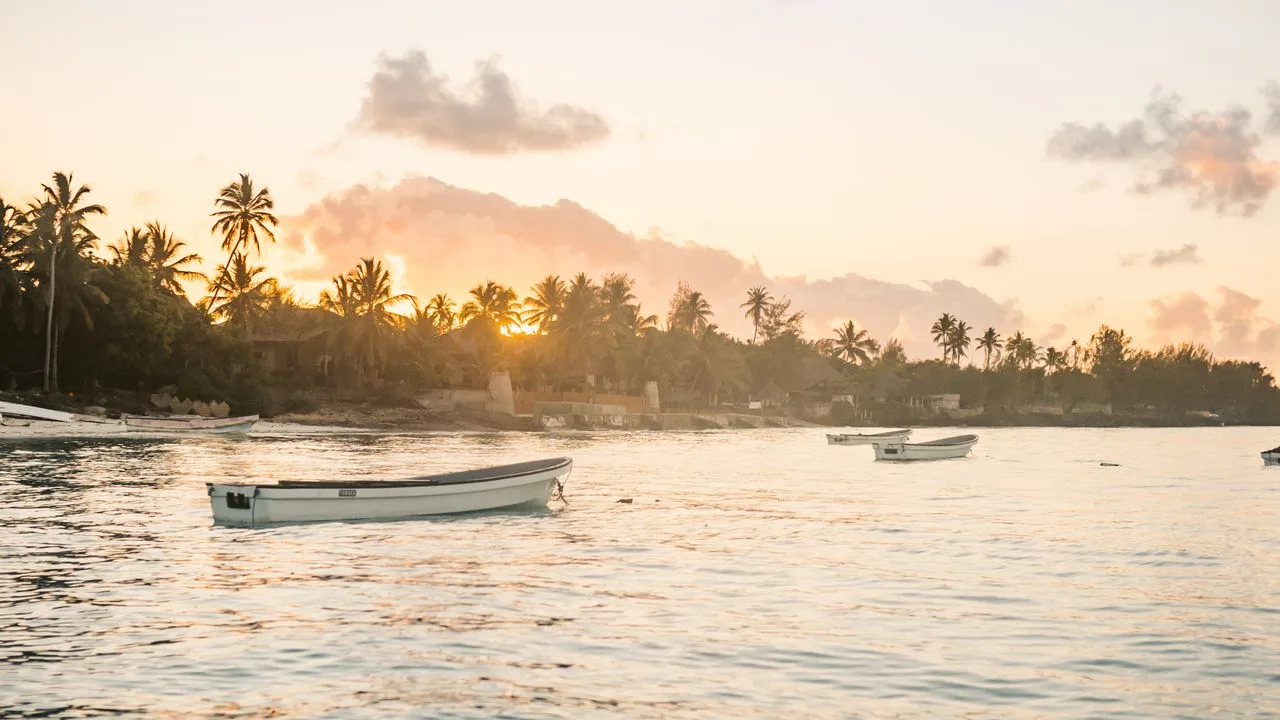
North of Unguja, the main island usually called Zanzibar, lies Pemba, the archipelago's second large island. Greener and more rugged than its famous neighbour, it receives far fewer visitors and rewards those who like diving, nature and unhurried exploring.
A different landscape
Pemba is noticeably hillier, with fertile valleys, clove plantations and small farming villages. The name is often linked to a word meaning green in some local explanations, and the lush scenery fits. Beaches exist, but the island is better known for its coastline of coves, mangroves and reefs than for long resort strips.
Diving and snorkelling
Pemba's greatest draw is its underwater world. The Pemba Channel is deep, with walls, drop-offs and strong currents that attract experienced divers and big fish. Misali Island, a protected area off the west coast, is also popular for snorkelling and for its turtle nesting beaches.
Some dives here are advanced because of currents, so check your certification and ask operators how they handle conditions.
Culture and land-based exploring
- Walk through clove-growing areas, particularly in the harvest season
- Visit Chake Chake, the main town, and its market
- See the Ngezi Forest Reserve in the north, home to local wildlife and bats
- Explore historic ruins such as Ras Mkumbuu or the old fort sites, if guides are available
- Talk to local fishermen and sample fresh seafood
Pemba has a strong tradition of herbal medicine and a deeply rooted Swahili culture.
Getting there and staying
Pemba is reached by small flights from Zanzibar, Dar es Salaam and some other cities, or by ferries on certain routes. Schedules can change, so confirm in advance. Accommodation ranges from a few upscale dive lodges to simple guesthouses, and there is no big resort scene.
Do not expect Zanzibar-style nightlife, and be ready for fewer dining choices.
Choosing between Pemba and Zanzibar
If you want a wide range of hotels, restaurants and activities, the main island is easier. If you are looking for peace, local contact and world-class diving without crowds, Pemba is appealing. Some travellers divide their time, spending a few nights on each.
Keep in mind that Pemba demands more flexibility: flights may be limited, services simple and signage minimal. Those who embrace that usually find it refreshing, with warm hospitality and a feeling of discovering somewhere that has not yet been packaged for tourists.
Practical tips
- Visit in the drier months for easier travel and clearer water; the rainy seasons can make roads muddy
- Carry cash, since cards and ATMs are limited
- Dress conservatively; Pemba is strongly Muslim and traditional
- Arrange transport in advance, as taxis are fewer
Pemba suits adventurous travellers who want something different after a safari. If it sounds like your kind of place, browse our tours and talk to us about how to include it.