Climbing Kilimanjaro takes you to the roof of Africa, and with the right route and preparation, anyone with good fitness can climb Kilimanjaro.
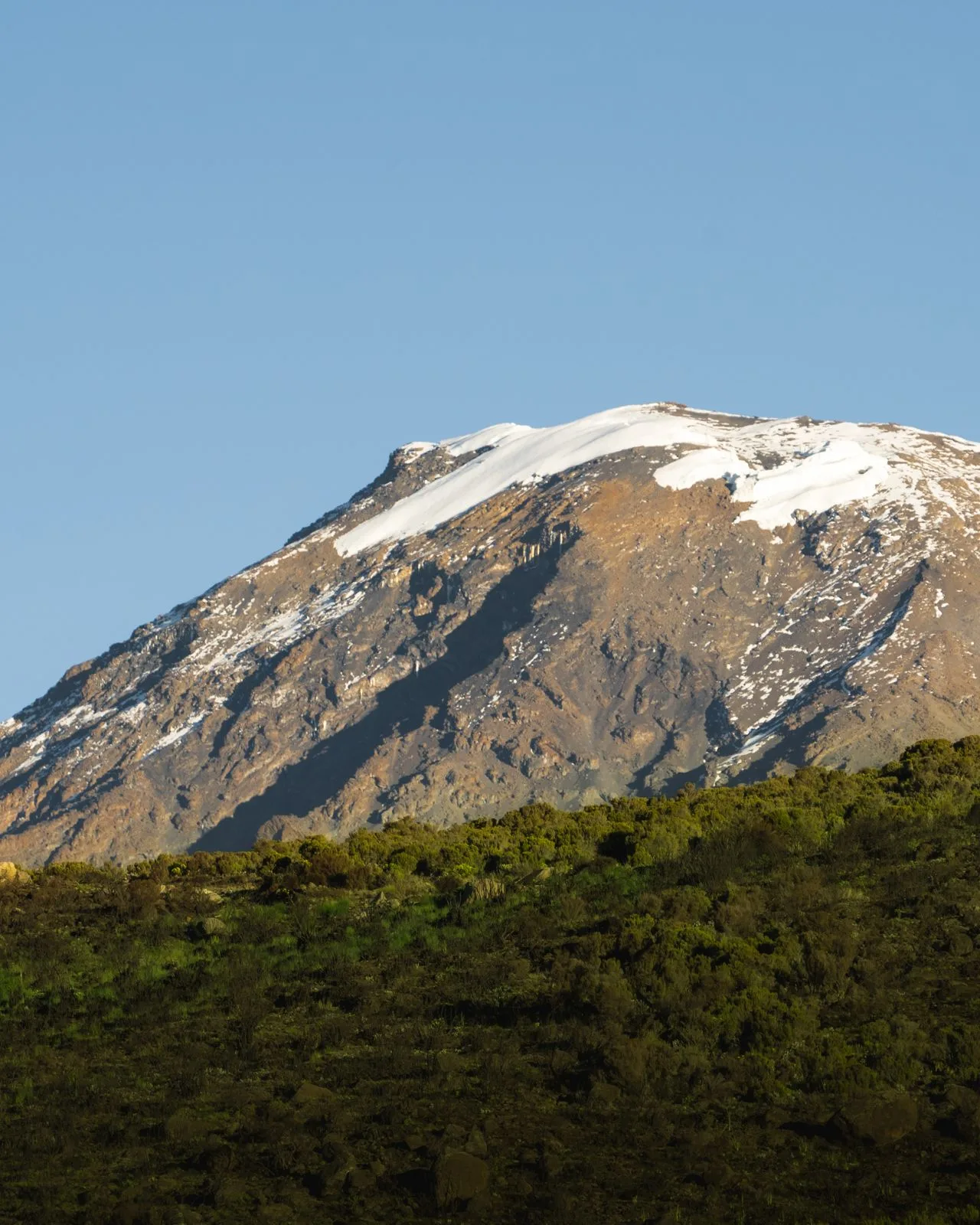
Mount Kilimanjaro, at 5,895 metres, is the highest mountain in Africa and the tallest free-standing mountain in the world. You do not need technical climbing skills to reach Uhuru Peak, but you do need preparation, the right route and a good team. Map Adventure Safari organises Kilimanjaro climbs from Arusha on every main route, with experienced guides and porters, and can add a safari or Zanzibar beach stay afterwards.
Kilimanjaro routes compared
- Lemosho: a scenic, less crowded route usually done in seven to eight days. The longer schedule helps acclimatisation and is a popular choice for higher summit success.
- Machame: the most popular route, often called the "whisky" route, usually six to seven days, steeper but very scenic.
- Marangu: the "Coca-Cola" route with hut accommodation, usually five to six days; the gradual ascent but a short schedule limits acclimatisation.
- Rongai: starts on the northern side near the Kenyan border, drier and quieter, usually six to seven days.
- Umbwe: short and steep, best for experienced and well-acclimatised hikers.
- Northern Circuit: the longest route, eight to nine days, with the best acclimatisation and quiet trails.
As a rule, longer routes give your body more time to adjust and generally mean better chances of reaching the summit. We are happy to recommend a route for your fitness, budget and dates.
Best time to climb Kilimanjaro
The two main dry seasons are January to early March and June to October. These periods offer the clearest skies and driest trails, with June to October the busiest. April to May and November are rainy months, with fewer climbers but wetter, muddier conditions.
How fit do I need to be?
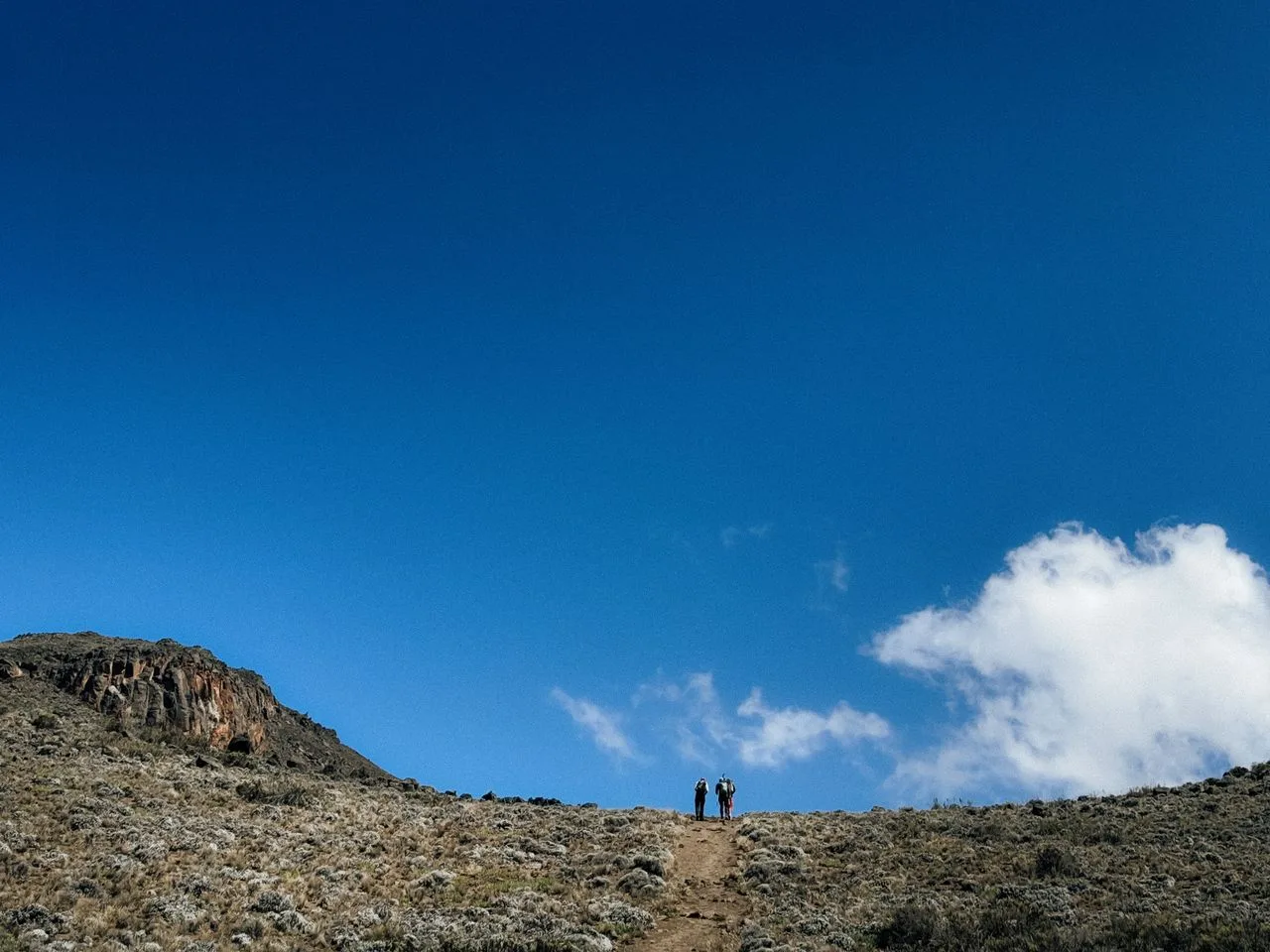
Kilimanjaro is a long walk at altitude rather than a technical climb. Regular hiking, cardio and strength training for two to three months beforehand help considerably. Altitude affects everyone differently, so a slow pace, plenty of water and honest communication with your guide matter more than speed.
What is included in a climb
Typical packages include park fees, camping or hut fees, guides, porters, cook, meals, drinking water, and airport transfers; flights, tips, personal gear and insurance are normally separate. We list exactly what is included in each itinerary, so you can compare fairly. See our Kit List guide for what to pack.
Safety and our team
Our guides are trained in mountain first aid and altitude awareness, and they monitor each climber daily. We encourage you to take proper travel insurance that covers high-altitude trekking and to tell us about any health conditions in advance.
Combine your climb with a safari or Zanzibar
Many climbers finish with a few days on safari in Tarangire, Ngorongoro or the Serengeti, or relax on a Zanzibar beach. We can plan the whole trip together, with transfers and accommodation included.
The five climate zones
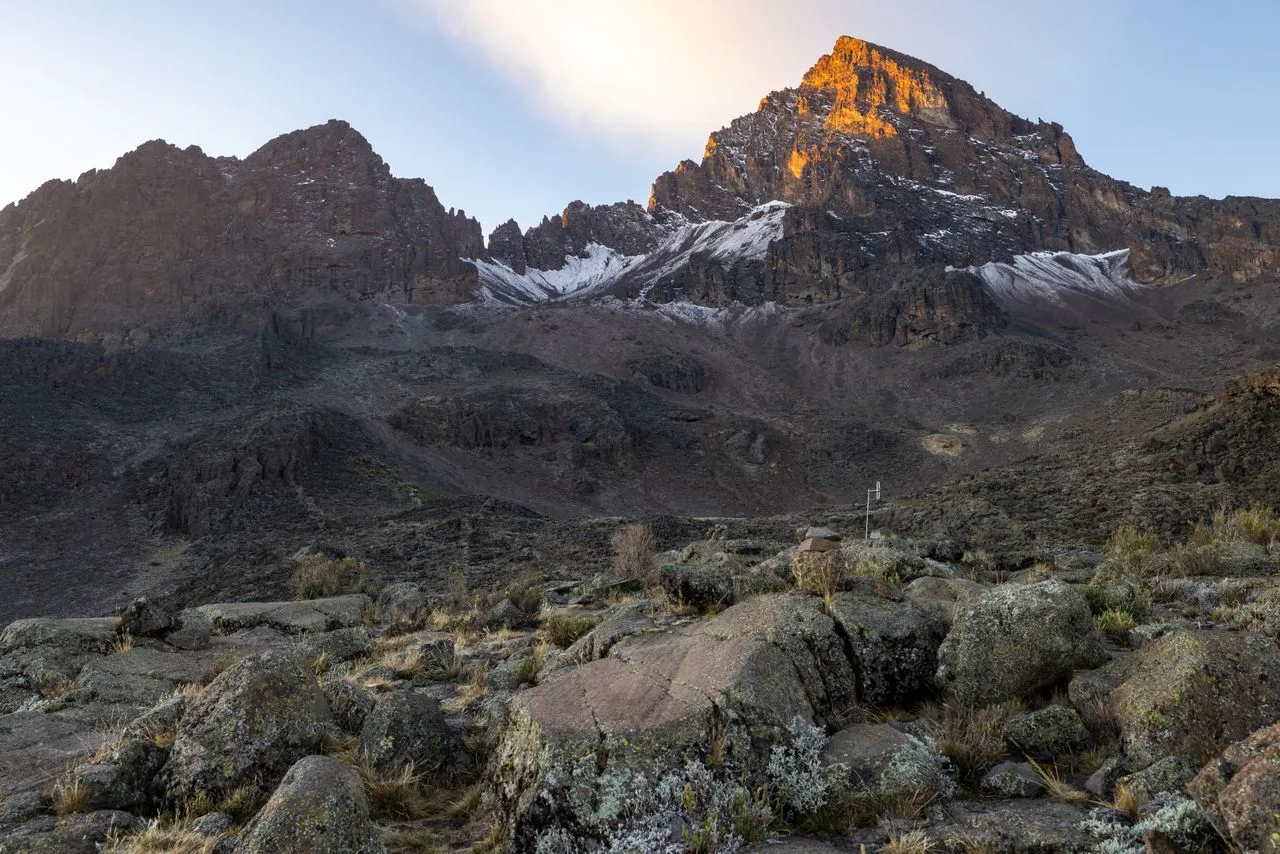
A Kilimanjaro climb takes you through several ecosystems in a few days. The lower slopes are farmland and then lush rainforest, where you may see colobus monkeys and exotic birds. Above about 2,800 metres you enter heath and moorland, with giant heather and strange lobelias. The alpine desert, from roughly 4,000 metres, is a cold, open landscape of rock and dust. At the top is the glaciated summit zone with ice fields and Uhuru Peak at 5,895 metres. Expect rain and mud in the rainforest, strong sun in the moorland and freezing wind near the summit.
A typical summit night
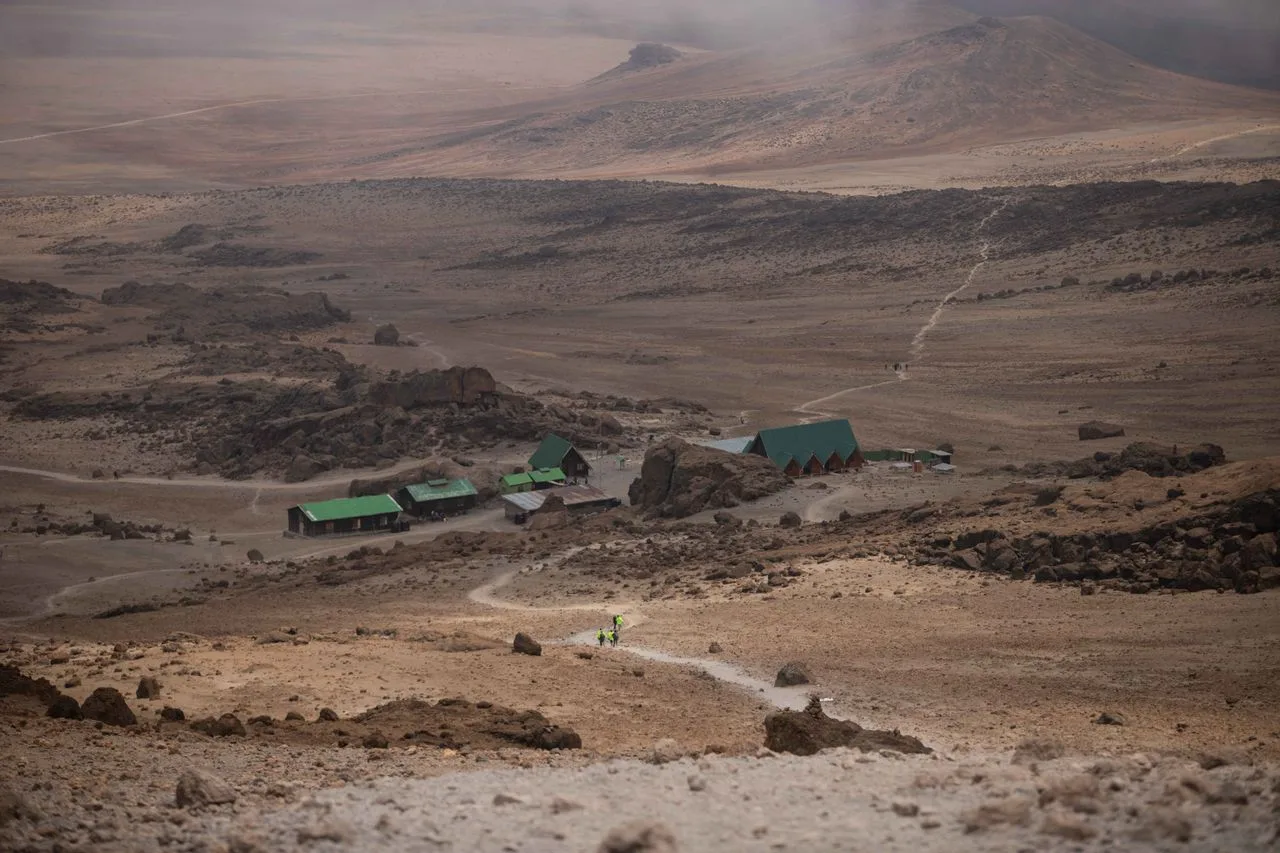
Summit day begins around midnight from high camp, such as Barafu on the southern routes. You walk slowly by headlamp in thick layers, aiming to reach Stella Point on the crater rim around sunrise and then Uhuru Peak shortly after. The ascent takes six to eight hours, and the descent to a lower camp takes several more. It is a long day and the hardest part of the trek, which is why guides choose a slow pace, rest stops and warm drinks.
Acclimatisation and altitude
Altitude is the main challenge. Climbers feel the thinner air above about 3,000 metres, and symptoms such as headache, nausea and poor sleep are common. The rule of "climb high, sleep low" helps your body adjust, which is why routes like Lemosho and Machame include walks to higher camps and back down for the night. Drink plenty of water, eat even when you are not hungry and tell your guide if you feel unwell. Our altitude sickness guide explains what to watch for, and you should speak to your doctor about preventive medication before you travel.
Prices and what affects them
The cost of a climb depends on route length, group size, accommodation style and the level of service. Park fees are fixed and apply to everyone, so very cheap quotes often leave something out. Read our Kilimanjaro cost breakdown to see what you are paying for.
Preparing and packing
Training matters, and our 12-week training plan is a good starting point. For gear, see the packing list and the best time to climb Kilimanjaro. If you cannot decide between routes, read Lemosho vs Machame or the overview of all the routes.
Tipping and crew
Tips are an important part of porters' and guides' income. Our Kilimanjaro tipping guide explains how and when to tip, and how to keep things fair across the crew.