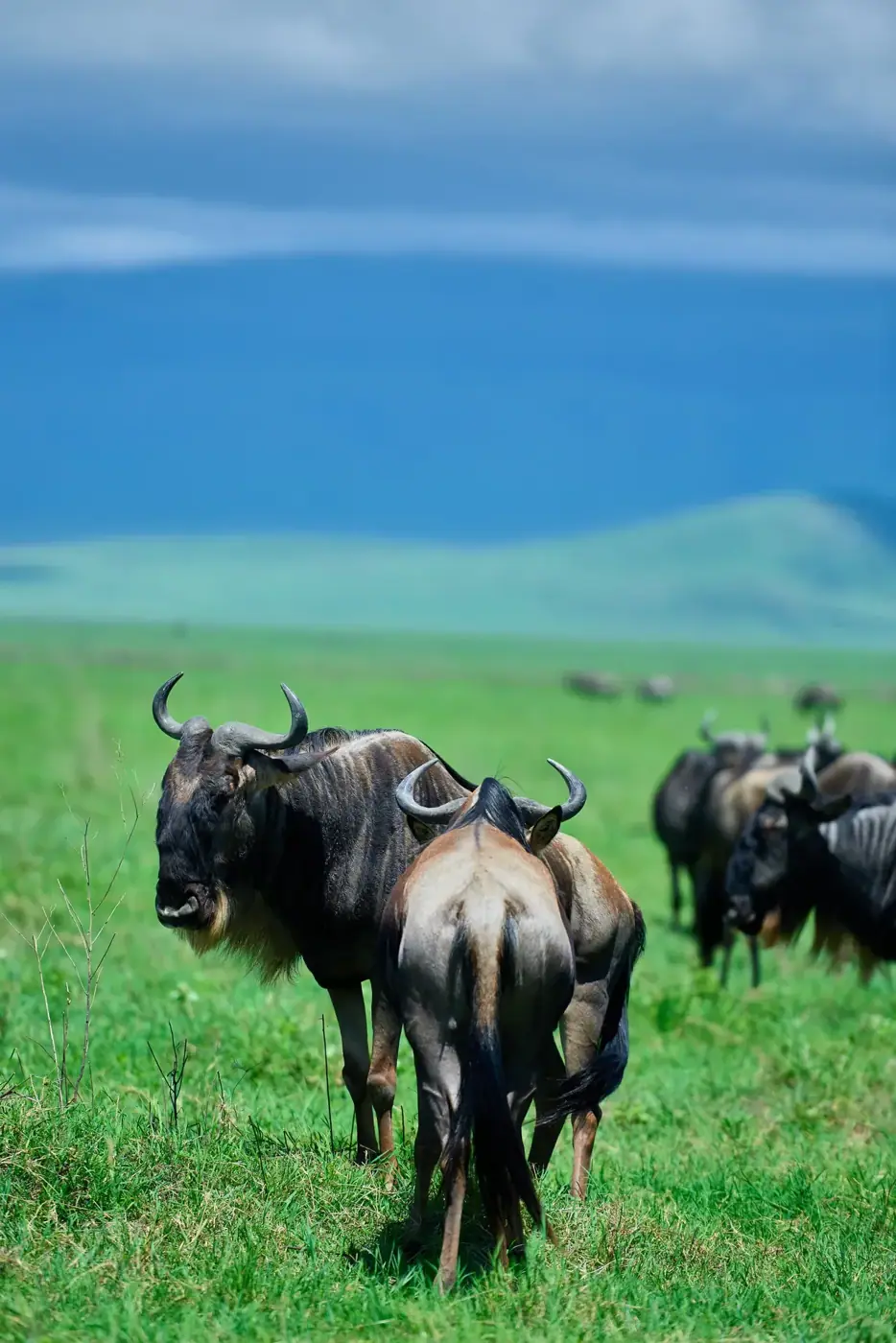
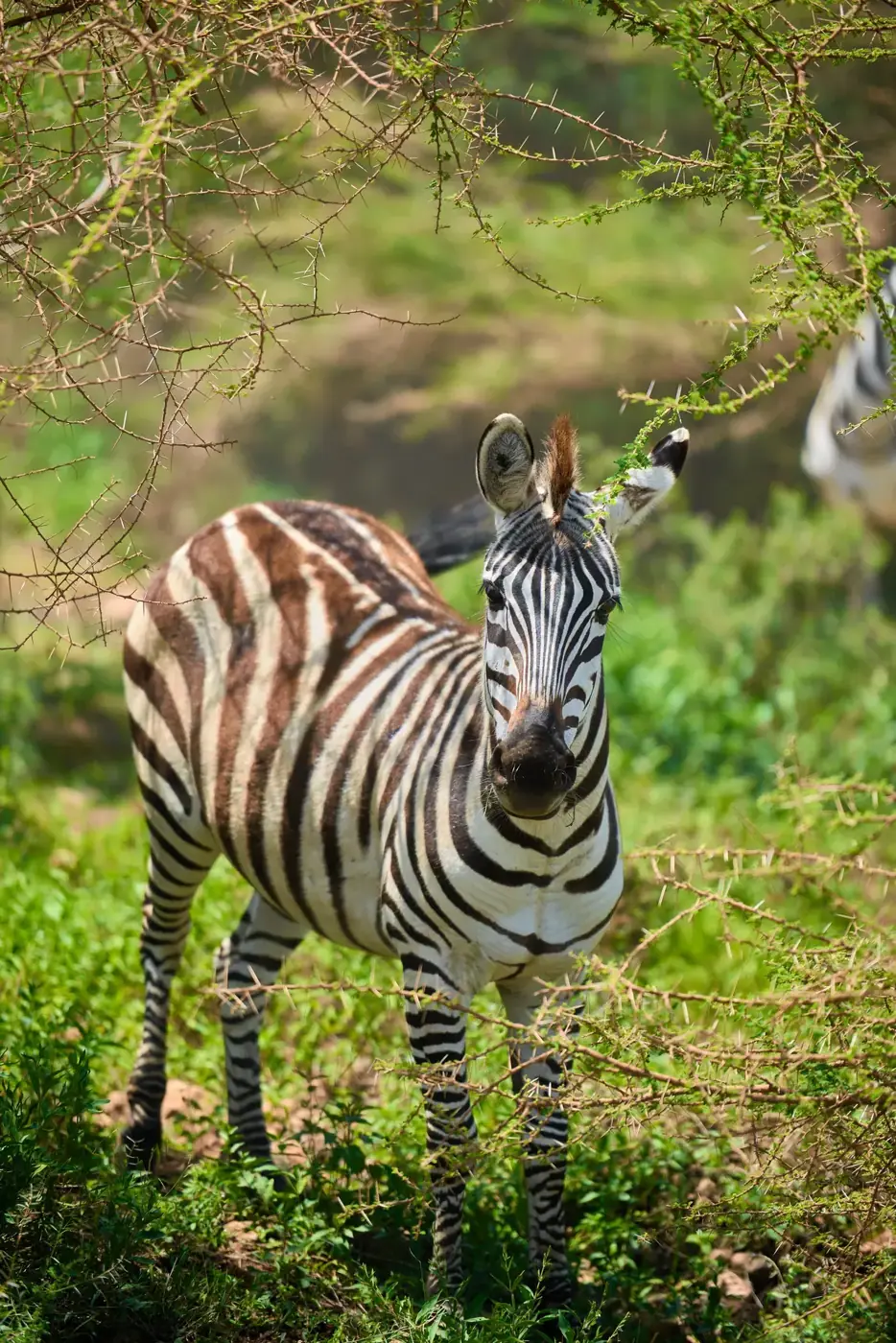
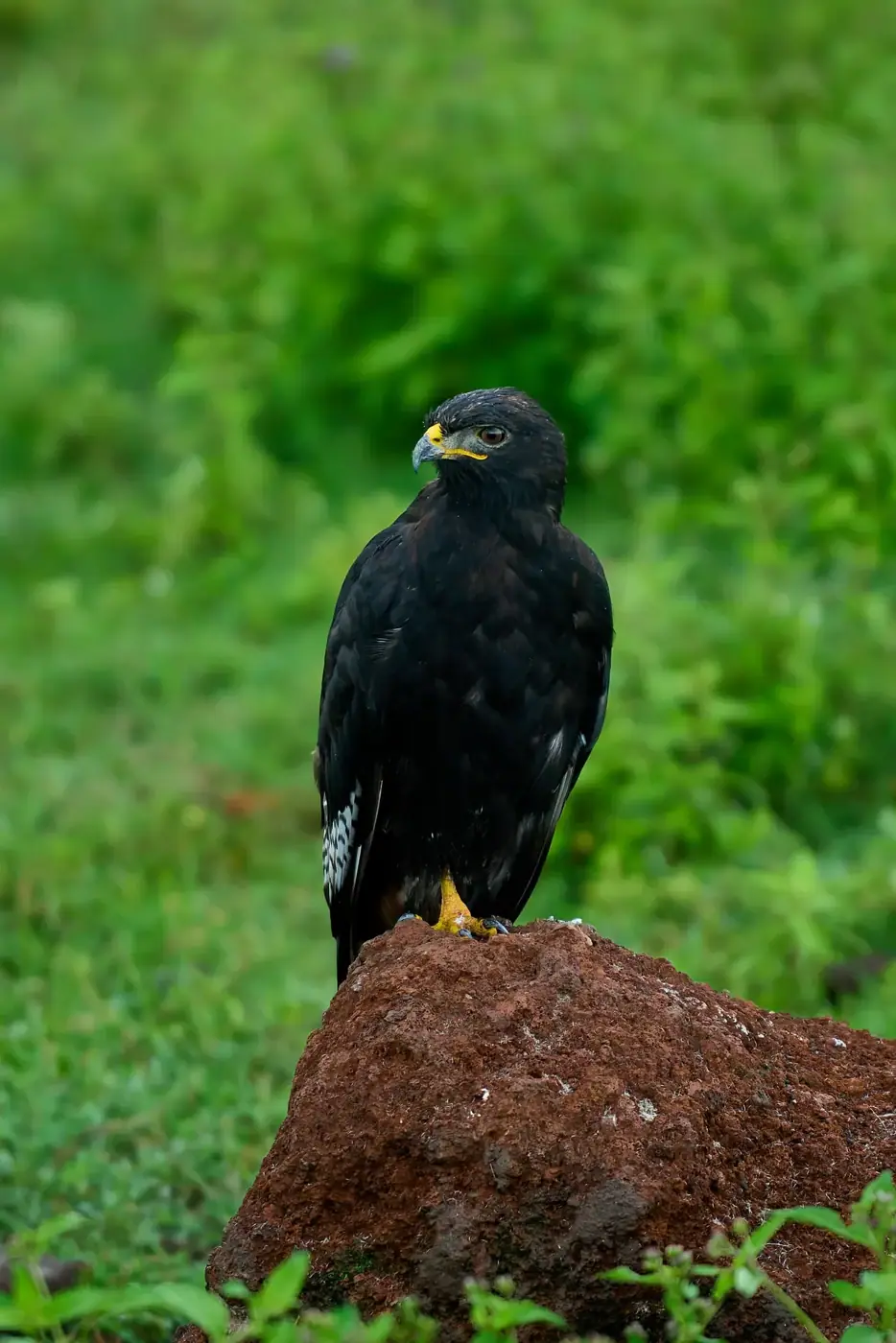
Ruaha National Park is one of Tanzania's largest and wildest parks, located in the centre of the country. It is much quieter than the northern circuit and is known for big lion prides, large elephant herds, greater and lesser kudu, sable and roan antelope, and over 500 bird species. The Great Ruaha River anchors the park's wildlife through the dry season. For travellers who want space and a sense of wilderness, Ruaha is a strong choice, and we plan it as a stand-alone safari or alongside Nyerere and Mikumi.
Wildlife in Ruaha
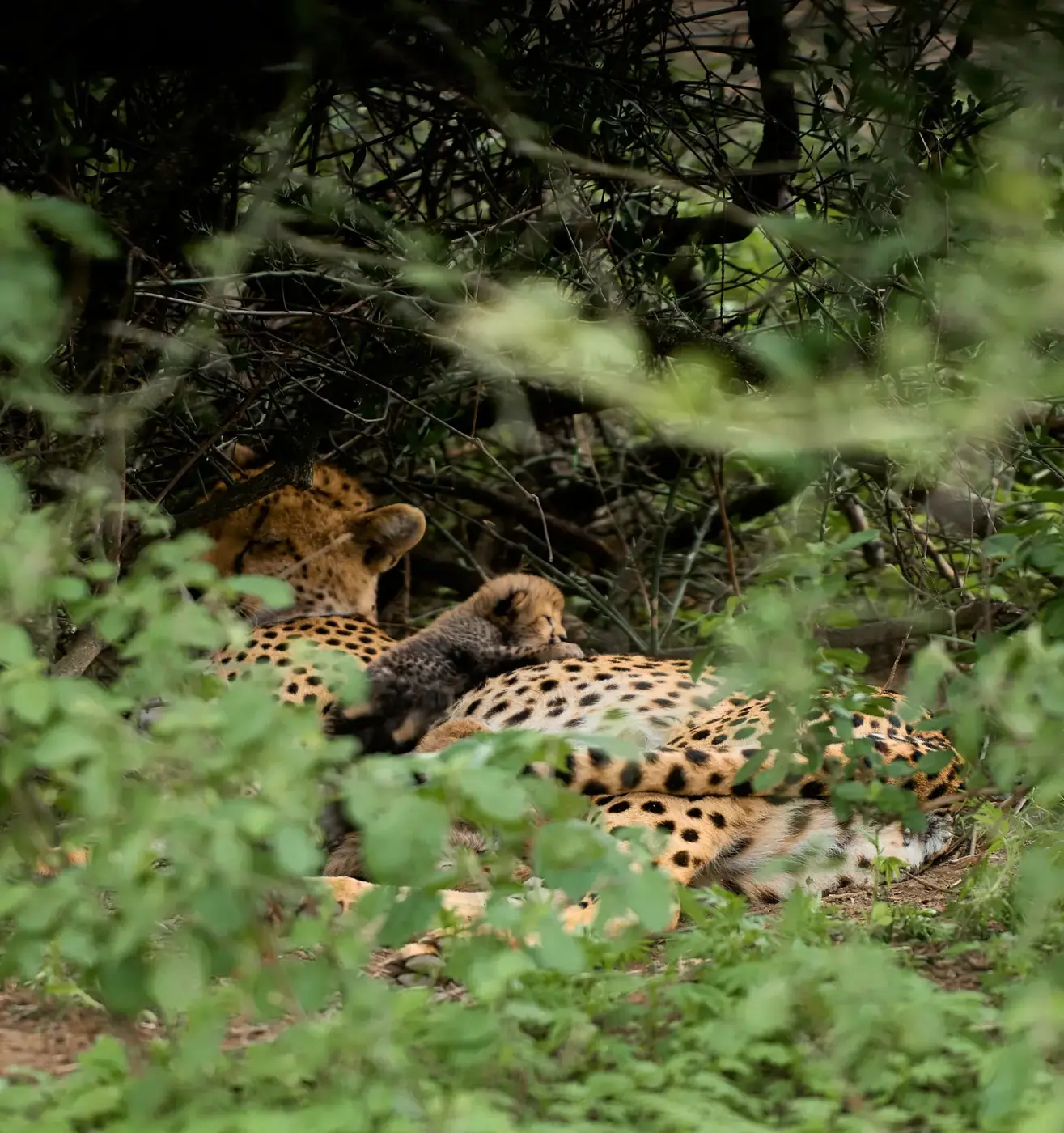
Lions are a highlight, and leopards and cheetahs are also seen. The park is a transition zone between eastern and southern African wildlife, so you can see species that are rare in the north, such as sable and roan antelope and both kudu species. Elephants gather along the river in the dry season, and the birdlife is excellent all year.
Best time to visit
June to October is best, when animals concentrate along the river and the vegetation is thin. The green season from November to April is lush and good for birds, but game viewing is harder and some roads and camps can be difficult to reach.
Where to stay and how to get there
Ruaha has a small number of lodges and camps, which keeps the park quiet. Most visitors fly in from Dar es Salaam, Arusha or Selous, though a long road journey from Iringa is possible. We help you choose the best option for your plans.
Ruaha or Serengeti?
If you want the Great Migration, choose the Serengeti. If you want fewer vehicles, big cats and walking or night drives in the camps that offer them, Ruaha is worth considering. Read more in our article Ruaha vs Serengeti.
What sets Ruaha apart
Ruaha is a transition zone where eastern and southern African species overlap. It is one of the few places in Tanzania where you can see both greater and lesser kudu, as well as sable and roan antelope, which are rarely seen in the north. The landscape is rugged, with baobab-studded hills, rocky outcrops and the Great Ruaha River, which attracts wildlife to its sandy banks during the dry season.
Activities in Ruaha
- Game drives: usually in open vehicles, with fewer other cars than in the northern parks.
- Walking safaris: offered by some camps with an armed ranger, ideal for tracking, birds and small details.
- Night drives: available outside the park boundaries at some camps, giving a chance to see nocturnal species such as genets and civets.
- Fly camping: a basic overnight in the bush, offered by selected camps.
When to go and what to expect
From June to October, animals concentrate along the river, making sightings easier. At the end of the dry season, in October and November, the land is dusty and the river shrinks, with large herds of elephants and buffalo gathering at what water remains. During the green season, lush scenery and excellent birding make it a quieter, cheaper time to visit, with some lodges closed.
Sample itineraries
We usually recommend at least four nights in Ruaha, so that you have several full days to explore. It can be combined with Nyerere or Mikumi in a southern circuit, or with a northern safari if you have a week or more. Because flights connect Ruaha with Dar es Salaam and Arusha, you can reach it without a long drive.
If you are deciding between the south and north, read our comparison of Ruaha and the Serengeti.