Serengeti National Park in northern Tanzania is the home of the great wildebeest migration and one of the best places in the world for a Serengeti safari.
The Serengeti is the Tanzania safari most travellers picture: endless golden plains, lone acacia trees, lions resting on rocky kopjes and more than a million wildebeest on the move. Covering roughly 14,750 square kilometres in northern Tanzania, Serengeti National Park is a UNESCO World Heritage Site and the heart of the wider Serengeti ecosystem that stretches north into Kenya's Maasai Mara. Map Adventure Safari plans and runs Serengeti trips from Arusha, with local guides who know where the animals are in every season.
Why visit the Serengeti
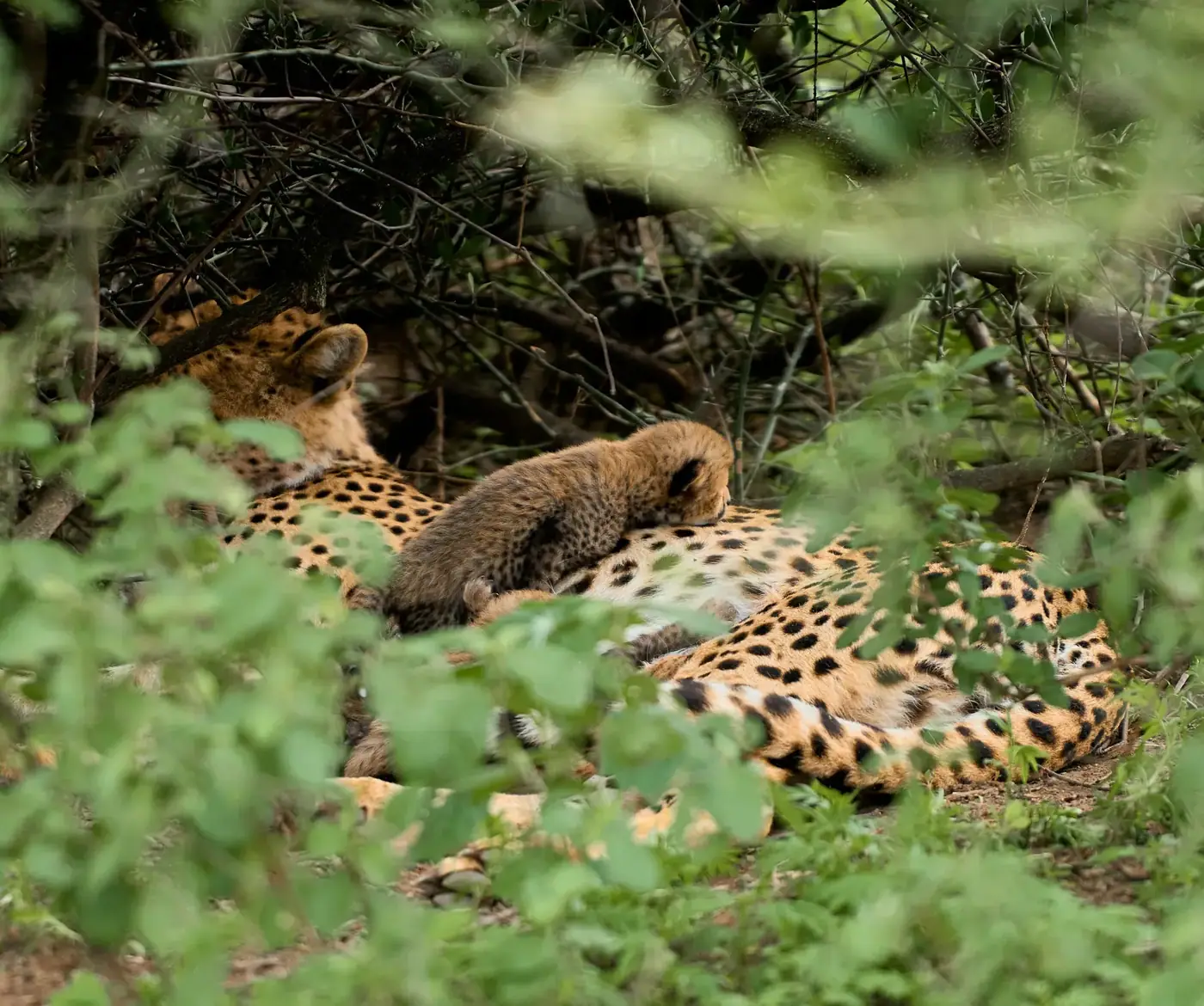
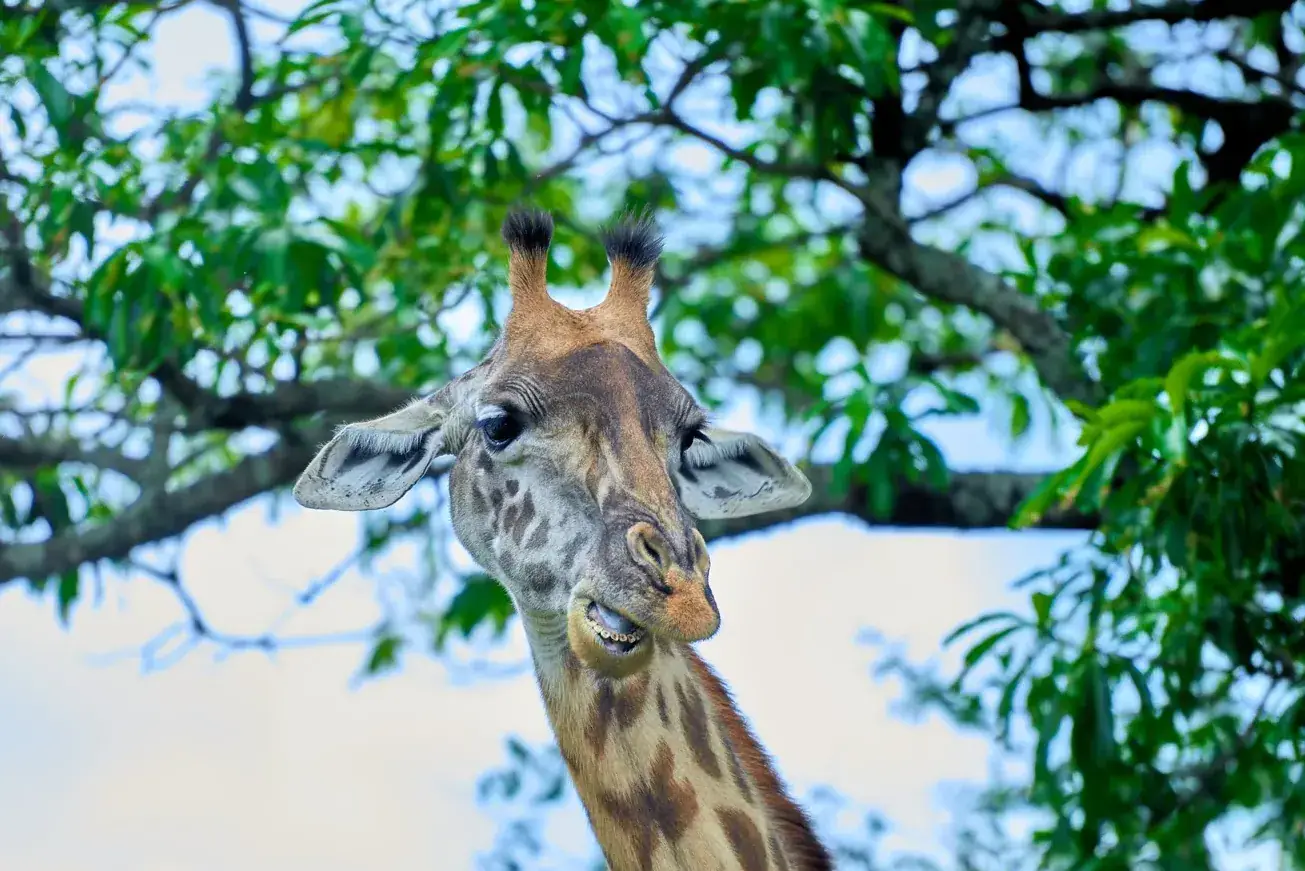
The park offers wildlife viewing on a scale few places can match. All of the Big Five can be seen, and big cats are a particular highlight: lions are common, leopards are often spotted in the riverine trees around Seronera, and cheetahs hunt across the open southern plains. Elephants, giraffes, hippos, crocodiles, hyenas and hundreds of bird species fill out the picture. Because the park is so large and varied, each region has its own character, so the area you choose matters as much as the month.
The Great Migration
The Great Migration is a year-round circuit rather than a single event. From around January to March the herds gather on the southern plains near Ndutu to calve, drawing predators in large numbers. By April and May the animals move north-west through the Western Corridor, and the long rains make the plains green and quiet. From roughly July to October the herds reach northern Serengeti and the Mara River, where the dramatic river crossings take place; timing varies with the rains, so no operator can promise a crossing on a given day. In November and December the herds drift back south. We help you match your dates to the herds and are honest about what is likely.
Best time to visit the Serengeti
The dry season from late June to October is the most popular time for general game viewing, as grass is short and animals gather near water. January to March suits calving and predator action in the south. The green season in April, May and November is quieter, with lower prices and good birding, though some roads are slower after rain. Seronera in the central Serengeti delivers good game viewing all year, which makes it a reliable base whatever the month.
Regions of the Serengeti
- Seronera (central): year-round resident wildlife and the best chance of leopard and lion.
- Southern plains and Ndutu: calving season from January to March, with big herds and many predators.
- Western Corridor and Grumeti: river crossings of the Grumeti River from roughly May to July.
- Northern Serengeti (Kogatende): Mara River crossings from roughly July to October, with fewer vehicles.
Where to stay
Accommodation ranges from simple, well-run camping safaris to comfortable lodges and permanent tented camps, plus mobile camps that follow the herds. We match the style to your budget and the season, and we explain what each option offers before you book rather than after. Staying inside or close to the park saves long driving days and gives you more time in the best light at dawn and dusk.
How to get there
Most visitors reach the Serengeti from Arusha. You can drive via Lake Manyara or Tarangire and the Ngorongoro Conservation Area, which makes a classic northern circuit, or fly from Arusha to an airstrip inside the park in about an hour and a half. Driving gives you more wildlife on the way; flying saves time on shorter trips. Many of our itineraries combine the Serengeti with Ngorongoro Crater, and some add a few days on Zanzibar to finish with a beach.
Sample itinerary ideas
Three to four days is the minimum we recommend for the Serengeti alone, and five to seven days lets you reach more than one region. A popular plan pairs two or three nights in the Serengeti with a night near Ngorongoro and a stop at Tarangire or Lake Manyara. Browse the tours below, or tell us your dates and interests and we will build the route for you.
Practical tips
- Bring neutral clothing, a hat, sunscreen and a good pair of binoculars.
- Park fees are charged per person per day and change from time to time, so we confirm the current figure when we quote.
- Roads inside the park are mostly dirt; expect a bumpy but rewarding ride.
- Keep your distance from animals and follow your guide's advice at all times.