5 Days Serengeti Migration Safari
Watch the renowned Great Migration in the heart of Serengeti National Park
Prices start at $2,874 per person
Check Dates & Book Your Safari
- Overview
- Itinerary
- Predators
- Migration
- Ecosystem
- Pricing
- Destination Map
- Inclusions/Exclusions
- FAQs
- Booking
These five days take you far into Serengeti National Park, the stage for the celebrated Great Migration. When you travel decides what you see: river crossings in the north, or the calving season on the southern plains. Each day brings close encounters with enormous herds of wildebeest and zebra, alongside lions, cheetahs, giraffes, elephants and many more animals. Experienced guides lead the game drives, the landscapes are magnificent, and our carefully chosen tented camps combine authenticity, comfort and excitement into a truly superb African journey.
Our skilled guides put you in the right spot at precisely the right moment, so you witness the best of the wildlife action.
01 Detailed Itinerary: 5 Days Serengeti Migration Safari
Day 1: Arusha – Serengeti National Park
You leave Arusha after breakfast and travel to the Serengeti, either overland or by air. Giraffes, elephants, zebras and wildebeest appear along the way. By late afternoon you reach camp, just in time for sundowners, dinner and a restful evening under the African sky.
Travel Tip: The journey to the Serengeti offers a first taste of Tanzania's incredible wildlife, so keep your camera ready for surprise sightings!
Overnight:
Moyo Tented Camp Stay on Safari
Key Locations: Arusha Serengeti National Park
Day 2: Full-Day Game Drive in Serengeti
The entire day belongs to the open Serengeti plains. Depending on the season, you either follow the migrating herds or explore predator-rich areas where lions, cheetahs and leopards live. A picnic lunch stretches your time out viewing game, and you then head back to camp for sundowners, dinner and sleep.
Wildlife Insight: The Serengeti ecosystem supports the largest overland mammal movement on Earth, with over 1.5 million wildebeest joined by hundreds of thousands of zebras and gazelles.
Photography: Dawn and late afternoon bring the best light for pictures. Those golden hours illuminate animals in action beautifully.
Overnight:
Moyo Tented Camp Stay on Safari
Meals Included: Breakfast Lunch Dinner
Wildlife Highlights: Lions Cheetahs Leopards Wildebeest Zebras
Day 3: Following the Serengeti Migration
A sunrise hot air balloon safari is an optional extra, giving superb aerial views of the Serengeti. Afterwards game drives follow the Great Migration, where you can look for crocodiles, hyenas, cheetahs, lions, zebras and wildebeest. Sundowners, dinner and a quiet wilderness evening await back at camp.
Optional Experience: For a completely fresh perspective, book a sunrise hot air balloon safari (extra cost) and view the migration from the sky.
Over 1.5 million wildebeest, 200,000 zebras and 300,000 gazelles follow a clockwise loop through the year, driven by the pattern of the rains.
Overnight:
Moyo Tented Camp Stay on Safari
Meals Included: Breakfast Lunch Dinner
Migration Highlights: Wildebeest Herds Predator Action Hyenas Crocodiles
Day 4: Serengeti – Ngorongoro Highlands
An early Serengeti game drive kicks things off, with elephants, buffalo and perhaps leopards to find. Next you travel to Ngorongoro, with a cultural stop at Olduvai Gorge if you wish. The green highlands you reach are cooler, the views are superb and the evening is yours to spend as you like.
Olduvai Gorge, often called the "Cradle of Mankind", has produced some of the oldest human fossils on record.
Scenic Stop: Take in broad views over the Ngorongoro Crater rim and the green highlands, which hold UNESCO World Heritage status.
Overnight:
Meals Included: Breakfast Lunch Dinner
Take in Maasai culture, Olduvai Gorge, highland forests and views of Ngorongoro Crater.
Day 5 – Ngorongoro Crater, then the road back to Arusha and your departure
You descend into Ngorongoro Crater, among Africa's best wildlife sanctuaries, for a half-day game drive where endangered black rhinos, elephants, lions, flamingos and hippos may appear. A picnic lunch is followed by the climb out, the return to Arusha and a transfer to Kilimanjaro Airport.
Conservation Highlight: Ngorongoro Crater, nicknamed "Africa's Eden", has the continent's highest density of predators and is home to one of the last surviving groups of endangered black rhinos.
Camera ready for the Big Five, you enjoy a final scenic drive to Arusha, reflecting on your 5-Day Serengeti Migration Safari.
Spot hippos, flamingos, elephants, black rhinos and the crater's lions.
Departure Information:
Make sure your onward flight departs after 6:00 PM, which gives enough time for the journey from Ngorongoro to the airport.
Experiences Included:
- Watch the Great Wildebeest Migration
- Game drives in the Serengeti and Ngorongoro
- Opportunities to spot the Big Five
- Cultural learning at Olduvai Gorge
- Breathtaking crater views
What Sets It Apart:
- Camps sited for top wildlife viewing
- Expert guides who know the migration inside out
- A flexible plan that tracks the animals' movements
- Comfortable stays in prime locations
- Small groups for a more personal feel
02 Serengeti Predators: Hunters of the Plains
Predators thrive in the Serengeti, most of all during the migration, when abundant prey creates excellent hunting chances on this 5-Day Serengeti Migration Safari.
Lions
Lions rule the Serengeti as its top predators. They live and hunt in prides, taking advantage of the migration seasons to target wildebeest and zebras, aided by the long views across the plains.
Hunting Strategy: Prides hunt as a team, frequently picking out weaker or solitary animals.
Cheetahs
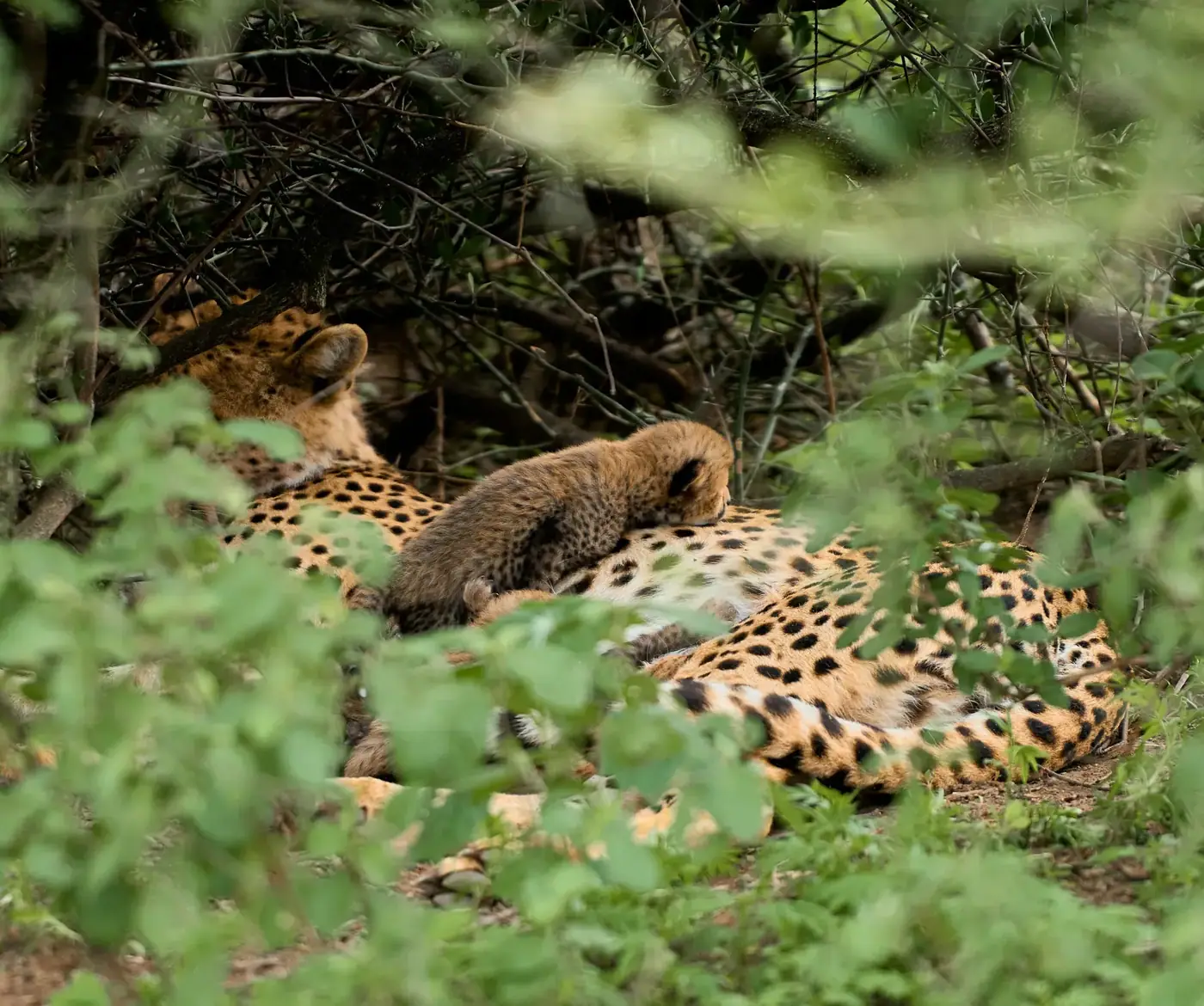
With their astonishing speed, cheetahs thrive on the Serengeti's open grasslands. They usually hunt by day, relying on stealth and rapid acceleration to catch prey.
Hunting Strategy: Creeps up first, then sprints in a quick chase over a short distance.
Leopards
More elusive than the other big cats, leopards in the Serengeti often hunt from trees, hauling their kills up with them. Dawn and dusk are when they are most active.
Hunting Strategy: Lies in ambush, using cover and stealth.
Spotted Hyenas
Hyenas are very intelligent, sociable hunters that operate in clans and can take down big prey, and they also steal from other predators' kills.
Hunting Strategy: Depends on endurance, wearing prey down over long distances.
African Wild Dogs
Sightings are less common, but these extremely efficient hunters do occasionally cross the Serengeti. They hunt as a team and have remarkable endurance.
Hunting Strategy: Chases carried out by the whole pack, powered by remarkable endurance.
Jackals & Smaller Predators
Black-backed jackals and smaller hunters such as servals and caracals have important roles in the ecosystem, frequently scavenging or taking small prey.
Hunting Strategy: Catches small mammals when an opportunity arises, and scavenges.
Predator and Prey During the Migration
The Great Migration creates a special balance between hunter and hunted in the Serengeti. With over 1.5 million wildebeest moving through the ecosystem, predators have an easier time catching prey than at any other point, though the sheer abundance also fuels fierce competition between the different predator species.
More Predator Sightings
Following the migrating herds means predators show up far more frequently.
Action at Every Hour
Because predators hunt at varied times, wildlife drama unfolds nearly around the clock.
Chances for Photography
The meetings of predator and prey offer outstanding opportunities for wildlife photographers.
03 The Wildebeest Migration: Nature's Greatest Show
Why Do Wildebeest Migrate?
Each year more than 1.5 million wildebeest, accompanied by hundreds of thousands of zebras and gazelles, travel to find fresh grazing and water. The herds circle clockwise without stopping through the Serengeti-Mara ecosystem, in one of nature's great spectacles.
Main Reasons for the Migration:
- Seasonal Rainfall Patterns: the herds follow the rains towards fresh grazing
- Nutritional Needs: different grasses give different levels of nutrition
- Water Availability: heading for reliable sources of water
- Calving Requirements: the specific conditions that successful births demand
- Predator Avoidance: constant movement reduces parasites and eases pressure from predators
The Yearly Migration Cycle
January - March: The Southern Serengeti Calving Season
Over 500,000 calves are born in a window of just 2-3 weeks. The short-grass plains offer clear views of approaching predators and soil rich enough in nutrients for the grass to thrive.
April - May: Moving West
As the southern plains dry out, the herds follow the rains towards the Western Corridor.
June - July: Grumeti River crossing
Rivers full of crocodiles block the herds in the Western Serengeti, producing one of the migration's most dramatic scenes.
August - October: Mara River Crossings
The herds head into Kenya's Maasai Mara, where the dangerous Mara River crossings and lurking crocodiles await them.
November - December: Back to the South
Once the rains begin in the south, the herds turn around and make for the calving grounds, completing the annual cycle.
The Serengeti Advantage
Different phases of the migration can be seen throughout the year in the Serengeti's varied habitats, which suits your 5-Day Serengeti Migration Safari perfectly.
Southern Plains
Predators and prey at work during calving season
Central Serengeti
Wildlife year-round, with many big cats
Western Corridor
Grumeti River crossings, with crocodiles waiting below
Northern Serengeti
Spectacular Mara River crossings into Kenya
04 Serengeti-Mara Ecosystem: A World Heritage
Spanning around 30,000 km² over Tanzania and Kenya, the Serengeti-Mara ecosystem is the setting for Earth's largest land-mammal migration, something you will see yourself on your 5-Day Serengeti Migration Safari.
Serengeti National Park
At 14,750 km², the Serengeti is Tanzania's oldest park and a UNESCO World Heritage Site. Its name derives from the Maasai word meaning "endless plains".
- Contains the famous Seronera Valley, rich in predators
- Habitats range across grassland, woodland and riverine forest
- Shelters the southern calving grounds and the central river systems
Ngorongoro Conservation Area
Wildlife and semi-nomadic Maasai herders share this multiple land-use area. The Ngorongoro Crater is frequently called "Africa's Eden."
- Contains the biggest unbroken volcanic caldera on Earth
- Large numbers of lions and other predators
- Important archaeological sites, including Olduvai Gorge
Maasai Mara National Reserve
The northern section of the Serengeti ecosystem is Kenya's most famous wildlife reserve, noted for its dramatic Mara River crossings.
- Smaller in area but strikingly full of wildlife
- Famous for big cats and the annual migration
- A rare chance to meet Maasai communities
Grumeti Reserves
These private reserves run along the Western Corridor, protecting key river crossings and offering exclusive safari experiences.
- Private concessions where vehicle numbers are limited
- An excellent place to watch Grumeti River crossings
- Night drives and walking safaris are permitted
What Makes This Ecosystem Special
Biodiversity Hotspot
Over 70 species of large mammal share this place with 500 kinds of bird, creating a food web among the most complex on Earth.
Ancient Geological History
The rich soils that nourish the grasslands come from volcanic activity, while the creation of the Great Rift Valley shaped the terrain.
Cultural Significance
For centuries the Maasai have lived here, grazing their livestock in harmony with wildlife.
One of Africa's seven natural wonders
World's Largest Terrestrial Mammal Migration
05 Safari Pricing: 5 Days Serengeti Migration Safari
5 Days Serengeti Migration Safari
Based on two people sharing a room; staying alone in a room costs an additional $120.
What's Included:
- Three nights at Moyo Tented Camp
- One night at The Retreat at Ngorongoro
- All safari meals (as listed)
- Professional safari guide
- 4x4 safari vehicle with pop-up roof
- All park and conservation fees
- Round-trip transport from Arusha
- Bottled water during game drives
Prices can vary depending on the season and availability
Special Packages
Longer Migration Safari
Family Safari Package
06 Destinations you will visit on the 5-day Serengeti Migration Safari
Trace Your Safari Route
This map is interactive and charts your journey out of Arusha to Serengeti National Park and Ngorongoro Conservation Area. These famous places are where the 5-Day Serengeti Migration Safari shows you Tanzania's spectacular wildlife.
Key Locations:
- Arusha - where you set off
- Serengeti National Park - tracking the migration
- Ngorongoro Conservation Area, a UNESCO World Heritage Site
- Olduvai Gorge - archaeological site
Safari Route:
The trip covers about 350km across famous landscapes of Northern Tanzania, with drives to find wildlife through different ecosystems, and you sleep at upscale lodges and tented camps.
07 What Is and Is Not Covered on Your 5-Day Serengeti Migration Safari
Included
Accommodation
Lodging as named in the itinerary
Meals
Every meal on safari (as listed)
Vehicle
Private 4x4 game vehicle with a roof hatch that lifts
Guide
Professional driver-guide who speaks several languages
Park Fees
Park entry and conservation fees
Water
Bottled drinking water throughout the safari
Game Drives
As many game drives as you like
Excluded
International Flights
Visa & Insurance
Visa fees and travel insurance
Tips
Tips for the driver-guide and camp staff
Drinks
Personal Expenses
Personal costs (souvenirs, laundry, telephone, etc.)
Optional Activities
Extras you can add: a hot air balloon safari or a visit to Olduvai Gorge
08 Your Questions: 5 Days Serengeti Migration Safari
When is the best time to watch the Wildebeest Migration?
Migration Calendar
In November the herds return to central Serengeti; July–October brings Mara River crossings; May–June sees Grumet River crossings; December–March is calving time in Ndutu.
Is adding a hot air balloon safari an option?
Optional Activities
Balloon safaris over Central or Northern Serengeti can be booked for an extra charge as part of your 5-Day Serengeti Migration Safari.
What vehicle will we use?
Safari Vehicle
A 4x4 Land Cruiser with a pop-up roof, built for wildlife viewing and photography.
Is the safari private or in a group?
How You Travel
Choose between a private tour and joining a small group safari.
Can the itinerary be adapted to suit us?
Customization Options
Absolutely – extra days in Lake Manyara, Tarangire or the Serengeti can be added to extend your trip, according to your schedule.
What animals will I see?
Wildlife Highlights
Expect antelope of many species, hyenas, leopards, cheetahs, lions, giraffes, elephants, zebras and wildebeest, along with rich birdlife.
09 Related Safari Packages
6 Days Calving Season Safari
A longer itinerary, with extra time at Ndutu and in the Serengeti, lets you see the remarkable wildebeest calving.
3 Days Wildebeest Migration Safari
Follow the enormous herds through river-crossing season with experts who know the best viewing spots.
Family Safari Package
Seven days of group-joining travel through the most famous parks in the region.
10 Ready to Take Part in the Five-Day Serengeti Migration Safari?
Watch the greatest wildlife show on the planet, guided by experts and sleeping in comfort.
Plan this with a local team
Send us your dates and the size of your group, and within one working day you will have a clear itinerary and price from us.