6 Days Wildebeest Migration Safari
Your 6 day great migration safari lets you share in wildebeest calving season and the hunting activity of the predators it draws.
Prices start at $2,673 per person
Check availability and book your great migration safari of six days
- Overview
- Itinerary
- Predators
- Migration
- Ecosystem
- Pricing
- Destination Map
- Inclusions/Exclusions
- FAQs
- Booking
Overview This 6-day great migration safari leads you across the famous Serengeti National Park, where millions of wildebeest and zebras follow an ancient cycle over the plains in search of fresh grass. You travel deep into the continent's most spectacular ecosystem, where nature's drama plays out daily, from mighty river crossings to tense predator hunts.
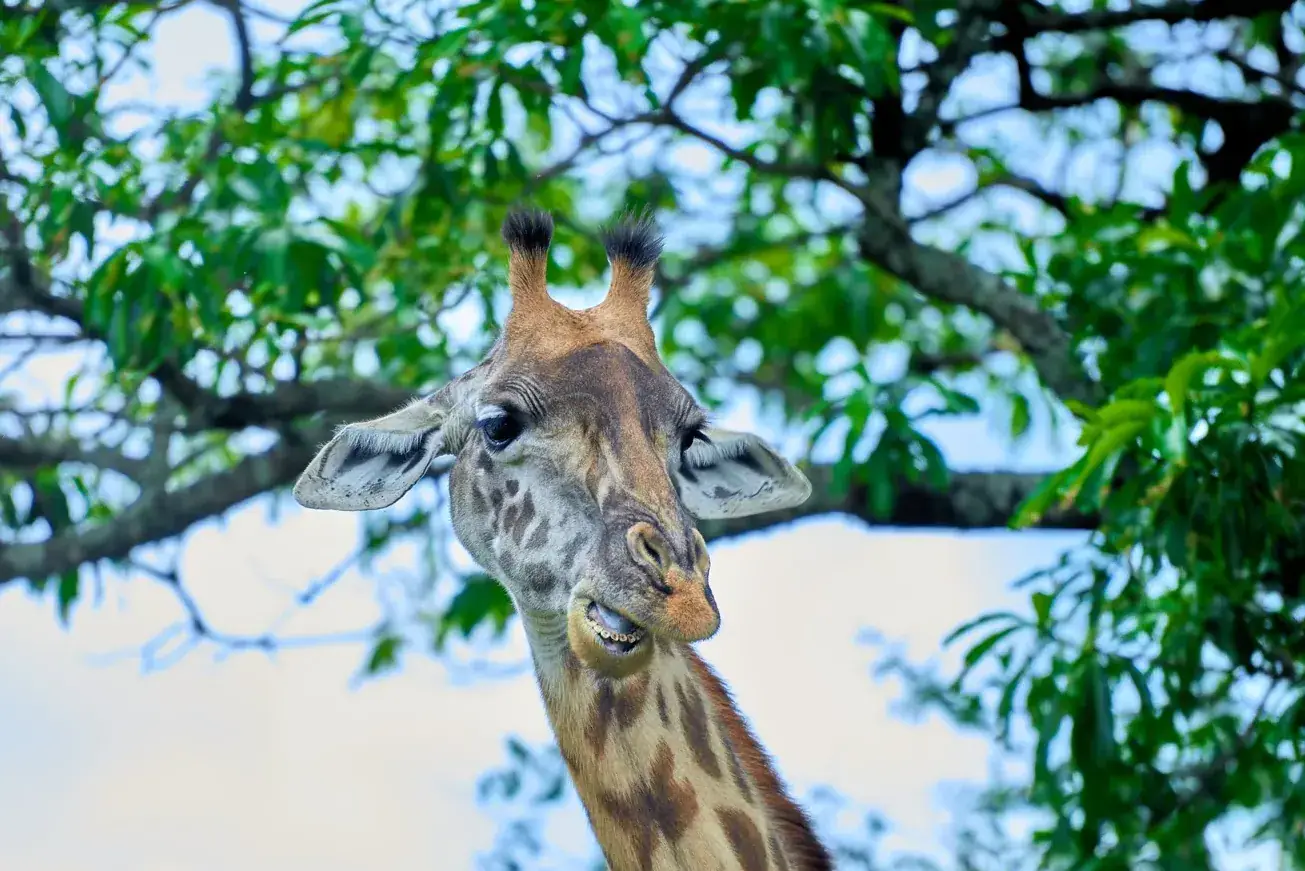
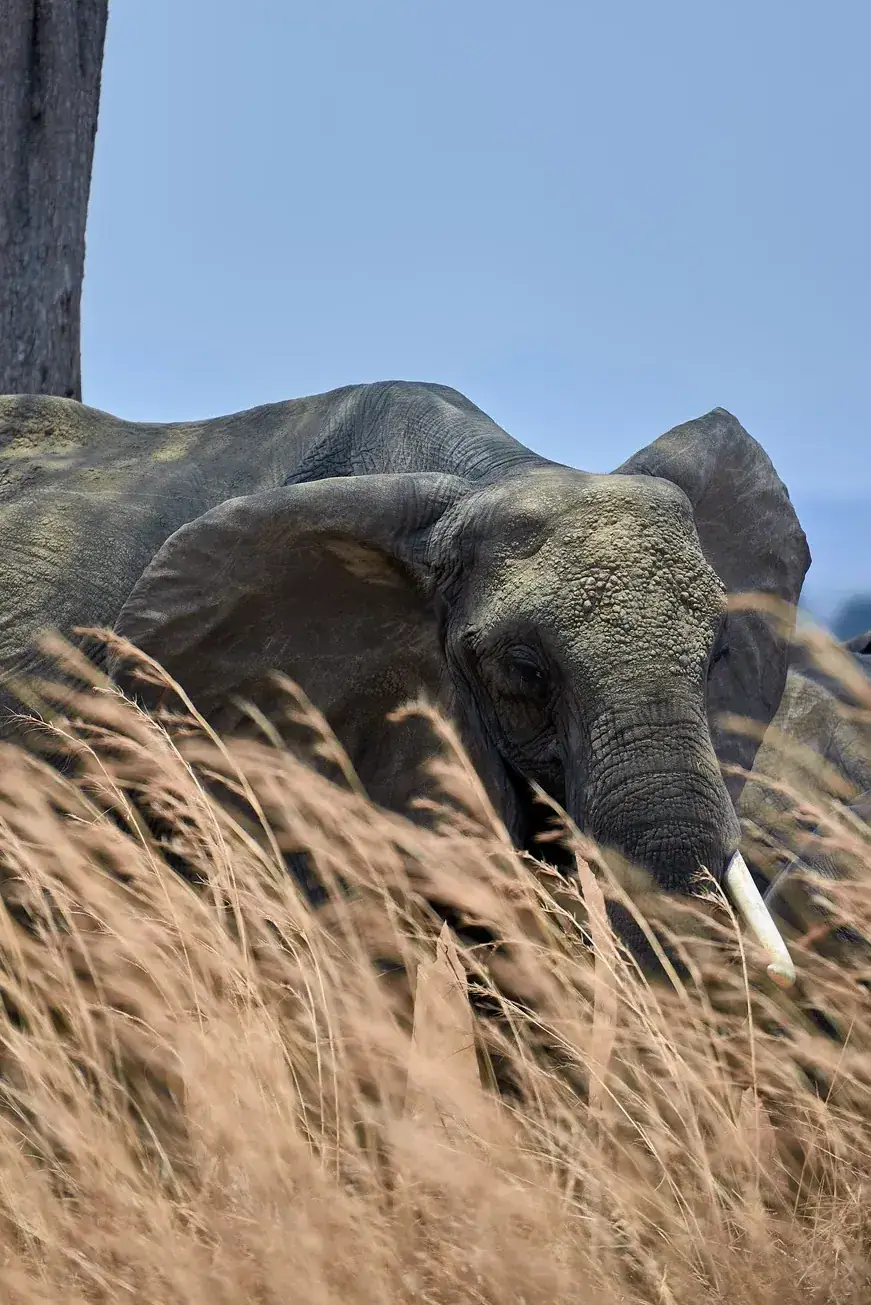
Whenever you travel, you could see either the renowned Mara River crossings up north or the astonishing calving season around Ndutu in the southern Serengeti, where wildebeest calves in their thousands arrive daily. Buffalo, giraffes, elephants, cheetahs and lions appear along the route, together with birds in dazzling variety, all living in the vast landscapes that place the Serengeti among the Seven Natural Wonders of Africa.
Thrilling game drives, comfortable lodgings and warm African hospitality are balanced across this 6-day great migration safari. We plan each day to maximise your chances of the most exciting wildlife action, while leaving room to relax and enjoy savannah views, golden sunsets and the stillness of the wilderness.
Your experienced safari guide brings deep knowledge of animal behaviour, migration routes and the delicate ecosystems of Tanzania's national parks. Whether you are new to safari or a seasoned explorer, expect a memorable connection with nature, special moments, great photo opportunities and personal attention from start to finish.
The greatest tale in nature is brought within reach by this 6 day great migration safari, which ranges from the boundless plains of the Serengeti to the stirring landscape of the Mara River. It is an epic tide of life and survival that explorers have found captivating for generations. Get ready for one of the most remarkable sights on Earth, with new adventure at every dawn and another day of wonder drawn to a close at each dusk in the wild heart of Africa.
Six-Day Wildebeest Migration Safari: What Happens Each Day
Day 1: Arrival in Arusha
Your driver-guide greets you at Kilimanjaro International Airport and takes you to your Arusha hotel. Rest from the journey and join a safari briefing. Depending on your arrival time, you can explore the town or simply relax before the migration safari gets going. The evening is peaceful, with the sounds of nature around you, as you prepare for the start of your 6-day great migration safari.
Day 2: Arusha – Central Serengeti
Greenside Hotel is where you are picked up after breakfast for the drive to Serengeti National Park, and your 6 day great migration safari truly starts here, with game drives en route and sightings of giraffes, elephants, zebras and predators. Central Serengeti holds wildlife all year, with likely sightings of leopards, cheetahs and lions. Later you unwind at camp. As the sun sinks over golden plains, the Serengeti's sights and sounds sum up what your safari is about.
Day 3: Central Serengeti – Northern Serengeti
With an early breakfast finished, you head north in the wake of the wildebeest herds. This part of the 6-day great migration safari could bring dramatic Mara River crossings, with wildebeest and zebras facing the crocodiles in the water. You cross open savannahs crowded with predators before settling into a camp that overlooks the migration routes. Each mile adds another striking chapter to Africa's greatest wildlife story.
Day 4 – A full day of migration safari in northern Serengeti
A full day's game drive along the Mara River gives you the best odds of watching dramatic river crossings. Lions, cheetahs, hyenas and crocodiles lie in wait while the herds cross. Lunch is a picnic in the wild so you can keep watching this remarkable wildlife show without interruption. As the Great Migration unfolds before you on this 6-day great migration safari, take photographs you will not get again.
Day 5: Northern Serengeti – Ngorongoro Highlands
Breakfast comes early, followed by a game drive as you leave Northern Serengeti, searching for elephants, giraffes and antelopes. The scenic transfer carries on south through the Ngorongoro Conservation Area, pausing for views of the crater rim, until you arrive at Karatu. You check in at Highview Hotel and unwind, thinking back over the astonishing variety and scale of Tanzania's wilderness as the journey approaches its grand finale.
Day 6 – Ngorongoro Crater visit, then on to Arusha and your departure
After an early breakfast we collect you from your hotel and drive down into Ngorongoro Crater, home to flamingos, elephants, hippos, rhinos and lions. A half-day game drive follows, with a picnic-box lunch on the crater floor. In the afternoon you head back to Arusha, freshen up in a dayroom and then travel on to the airport for your next flight. This final day completes your six-day journey following the great migration. You leave with memories of striking landscapes and exceptional wildlife that will last a lifetime.
Ndutu's Predators: Hunters of the Plains
Predators hunt in Ndutu all year, but especially during calving season, when vulnerable newborns are easy targets. Guests on our 6-day great migration safari often watch these tense encounters between hunter and hunted as they happen.
Lions
Lions, the top predators of Ndutu, hunt as prides and exploit calving season to target young wildebeest. Ndutu's open plains offer unobstructed views of lion hunts.
Hunting Strategy: Prides hunt as a team, frequently picking out weaker or solitary animals.
Cheetahs
With their astonishing speed, cheetahs thrive on Ndutu's open grasslands. They usually hunt by day, relying on stealth and rapid acceleration to catch prey.
Hunting Strategy: Creeps up first, then sprints in a quick chase over a short distance.
Leopards
Leopards in Ndutu are more timid than the other big cats and frequently hunt from trees, hauling kills up to hide them. Dawn and dusk are when they are most active.
Hunting Strategy: Lies in ambush, using cover and stealth.
Spotted Hyenas
Working in clans, hyenas are clever social hunters able to take down large prey, and they scavenge kills made by other predators too.
Hunting Strategy: Depends on endurance, wearing prey down over long distances.
African Wild Dogs
Rarely seen here, these extremely efficient hunters sometimes wander through Ndutu, working as teams and showing great stamina.
Hunting Strategy: Chases carried out by the whole pack, powered by remarkable endurance.
Jackals & Smaller Predators
Servals, caracals and black-backed jackals are smaller hunters that matter a great deal to the ecosystem, usually by scavenging or picking off little animals.
Hunting Strategy: Opportunistic, snapping up small mammals and feeding on carrion.
Predators and Prey During Calving Season
From January to March, calving in Ndutu creates a predator-prey balance found almost nowhere else. At the height of it about 8,000 wildebeest calves are born daily, which hands hunters unusual opportunities while also stirring up sharp rivalry between the different predator species.
More Predators on the Move
Newborns are easy targets, so you spot a greater number of hunters taking advantage.
Action at All Hours
Because each predator keeps its own hunting hours, something is nearly always happening.
Chances for Photography
Encounters between hunters and their quarry make for superb wildlife photographs.
Wildebeest Migration: The Greatest Show in Nature
6 day great migration safari
Every year over 1.5 million wildebeest roam in pursuit of green grass and water, accompanied by several hundred thousand zebras and gazelles. Our 6 day great migration safari tracks this continuous clockwise loop through the Serengeti-Mara ecosystem.
Few sights in nature rival the migration. Our trip puts you right where the best of it happens, with outstanding opportunities for photos and excitement.
What Drives the Wildebeest to Migrate?
Over 1.5 million wildebeest, together with several hundred thousand zebras and gazelles, undertake this annual journey to find new pasture and water. The herds circle clockwise and never stop across the Serengeti-Mara ecosystem, making it one of the great sights of the natural world.
Key Drivers of the Migration:
- Seasonal Rainfall Patterns: The herds follow the rain towards new pasture
- Nutritional Needs: Grass varieties differ in how much nourishment they give
- Water Availability: Heading for reliable supplies of water
- Calving Requirements: Specific surroundings that let births go well
- Predator Avoidance: Constant movement cuts down parasites and eases predator pressure
The Yearly Migration Cycle
January - March: Ndutu Calving Season
More than 500,000 calves are born in a window of only two to three weeks. On Ndutu's short-grass plains the animals can spot predators coming, while the mineral-rich soil feeds the growth of the grass.
April - May: Moving Westward
As the southern plains dry, the herds chase the rains towards the Western Corridor.
June - July: Crossing the Grumeti River
Rivers teeming with crocodiles block the herds in the Western Serengeti, producing some of the most gripping scenes of the whole migration.
August - October: Crossing the Mara River
Heading into Kenya's Maasai Mara, the herds face the risky Mara River, with crocodiles waiting at the water's edge.
November - December: The Return South
Once rain returns to the south, the animals double back to the calving grounds, closing the year's circle.
Why Ndutu Works So Well
Sitting in the southern Serengeti, Ndutu is a perfect base for watching calving. Its short-grass plains provide:
Superb Visibility
Open sightlines to the animals and to predators stalking their quarry
Nourishing Grass
Grass grown in volcanic soil is full of calcium, which mothers nursing young rely upon
Water Supplies
Permanent waterholes and seasonal lakes keep the herds going
Safety from Predators
Out on the open plains, wildebeest notice predators long before they arrive
The Serengeti-Mara Ecosystem, a World Heritage Treasure
6 day great migration safari
Spanning about 30,000 km² over Tanzania and Kenya, the Serengeti-Mara ecosystem supports the biggest overland mammal migration anywhere. Our 6 day great migration safari shows you how each region contributes to the cycle.
Serengeti National Park
Covering 14,750 km², the Serengeti is Tanzania's oldest park and a UNESCO World Heritage Site. The name derives from a Maasai word meaning "endless plains".
- Contains the famous Seronera Valley, rich in predators
- A mix of habitats ranging across grassland, woodland and forest along the rivers
- Safeguards the southern calving grounds as well as the central river systems
Ngorongoro Conservation Area
Animals and semi-nomadic Maasai pastoralists live side by side in this multi-use conservation area. Ngorongoro Crater often goes by the nickname "Africa's Eden."
- Contains the biggest unbroken volcanic caldera in the world
- Large populations of lions and other hunters
- Important archaeological sites including Olduvai Gorge
Maasai Mara National Reserve
As Kenya's most famous wildlife reserve, it forms the northern stretch of the Serengeti ecosystem and is known for the dramatic crossings of the Mara River.
- Compact, but packed with animals
- Famous for big cats and the annual migration
- Offers a memorable cultural meeting with Maasai communities
Ndutu Region
Ndutu, inside the Ngorongoro Conservation Area, is the key southern Serengeti spot where wildebeest give birth each year.
- Low-grass plains ideal when calves arrive
- Open grassland dotted with acacia woods
- Rainy-season lakes that draw flamingos and further waterbirds
What Sets This Ecosystem Apart
A Hotspot of Biodiversity
Over 70 species of large mammal and 500 species of bird make their home here, weaving together one of the most complex food webs on Earth.
Deep Geological Past
Eruptions deposited the fertile soils that nourish the grasslands, and the Great Rift Valley's formation shaped the terrain.
Cultural Importance
For centuries the Maasai have lived here, grazing their livestock in harmony with wild animals.
Counted among the seven natural wonders of Africa
The Biggest Land Mammal Migration on Earth
Exploring the Serengeti-Mara ecosystem with our 6 day great migration safari lets you appreciate its scenery, animals and cultural heritage more fully.
Safari Cost: 6 Days wildebeest migration safari
6 day great migration safari
6 Days Wildebeest Migration Safari
Based on two people sharing a room; staying alone in a room costs an additional $120.
What's Included:
- One night at Untamed Migration Camp
- Every meal listed on the itinerary
- Expert safari guide
- Pop-up roof 4x4 safari vehicle
- All park and conservation fees
- Round trip from Arusha
- Bottled water for game drives
Prices can vary by season and availability
Special Packages
Extended Ndutu Safari
Ndutu Special
Destination Map for the 6 Days Wildebeest Migration Safari
6 day great migration safari
Trace Your Safari Route
Use the interactive map to follow the way from Arusha down to Ndutu, in the southern part of the Serengeti ecosystem next to the Ngorongoro Conservation Area. At this special calving ground you meet some of Tanzania's most spectacular wildlife.
Main Stops:
- Arusha - Starting point
- Ndutu Plains - Calving season in full swing
- Ngorongoro Conservation Area, a UNESCO World Heritage Site
- Southern Serengeti - Abundant animals
Safari Route:
Expect about 300km of travel through some of northern Tanzania's best-loved landscapes, with game drives across differing ecosystems and a night in a luxury tented camp.
Included and Excluded on the Six-Day Wildebeest Migration Safari
6 day great migration safari
Included
Game Drives
Guided drives to see wildlife in Ndutu and across the Serengeti
Park Fees
Water
Bottled water while out on game drives
Guide
Transport
A 4x4 safari vehicle for the return journey between Arusha and Ndutu
Accommodation
A night at Untamed Migration Camp or a similar camp
Meals
Breakfast, lunch and dinner throughout
Excluded
International Flights
Flights, both international and domestic
Travel Insurance
Comprehensive medical and travel cover
Personal Expenses
Your own spending: souvenirs, tips, phone and internet
Beverages
Optional Activities
Add-ons outside the itinerary such as hot air balloon safaris and cultural visits
6 Days Wildebeest Migration Safari: Common Questions
6 day great migration safari
When is Ndutu at its best?
Game viewing is strongest while wildebeest are calving, from January to March, and again during the migration in June and July. Those months are when our 6 day great migration safari is at its finest.
To catch wildlife at its liveliest, our 6 day great migration safari puts you in the right spot at exactly the right time.
What animals can I expect to see?
Wildlife to Look For
Keep watch for lions, cheetahs, elephants, giraffes, zebras and wildebeest, along with rich birdlife that includes flamingos and secretary birds.
What is covered in the safari price?
What the Package Covers
The rate covers an experienced safari guide, 4x4 transport, bottled water, guided game drives, meals, accommodation and park entry fees.
How should I prepare for the safari?
Tips for Packing
Bring a hat, sunscreen, binoculars, a camera, clothes in subdued colours and a jacket against the dawn chill.
Does Ndutu suit families with children?
Suitable for Families
Yes, we welcome children, though under-sixes may be restricted in how many game drives they join.
Where will we be staying?
About Your Stay
You sleep at Untamed Migration Camp or a similar camp, in comfortable tented rooms with en-suite bathrooms that preserve the genuine safari atmosphere.
Similar Safaris You May Like
5 Days Calving Season Safari
This longer journey gives you additional days in Ndutu and the Serengeti to watch the astonishing wildebeest births.
3 Days Wildebeest Migration Safari
Trail the enormous herds during river crossing season with specialists who know the finest viewing spots.
Family Safari Package
A 7-day group-joining trip across the best-known national parks of the region.
Ready for the 6 Days Wildebeest Migration Safari?
Plan it with a local team
Send us your dates and how many are travelling, and within one working day we will reply with a clear plan and price.