The Masai Mara is the safari destination most people picture when they imagine Kenya: golden grassland, scattered acacias, and predators working the plains at dawn. Sitting in the southwest of the country, it forms the northern end of the vast Serengeti-Mara ecosystem, and its wildlife density is among the best in Africa. This guide covers what to expect and how to plan a trip that feels unhurried and rewarding.
Why the Mara is so special
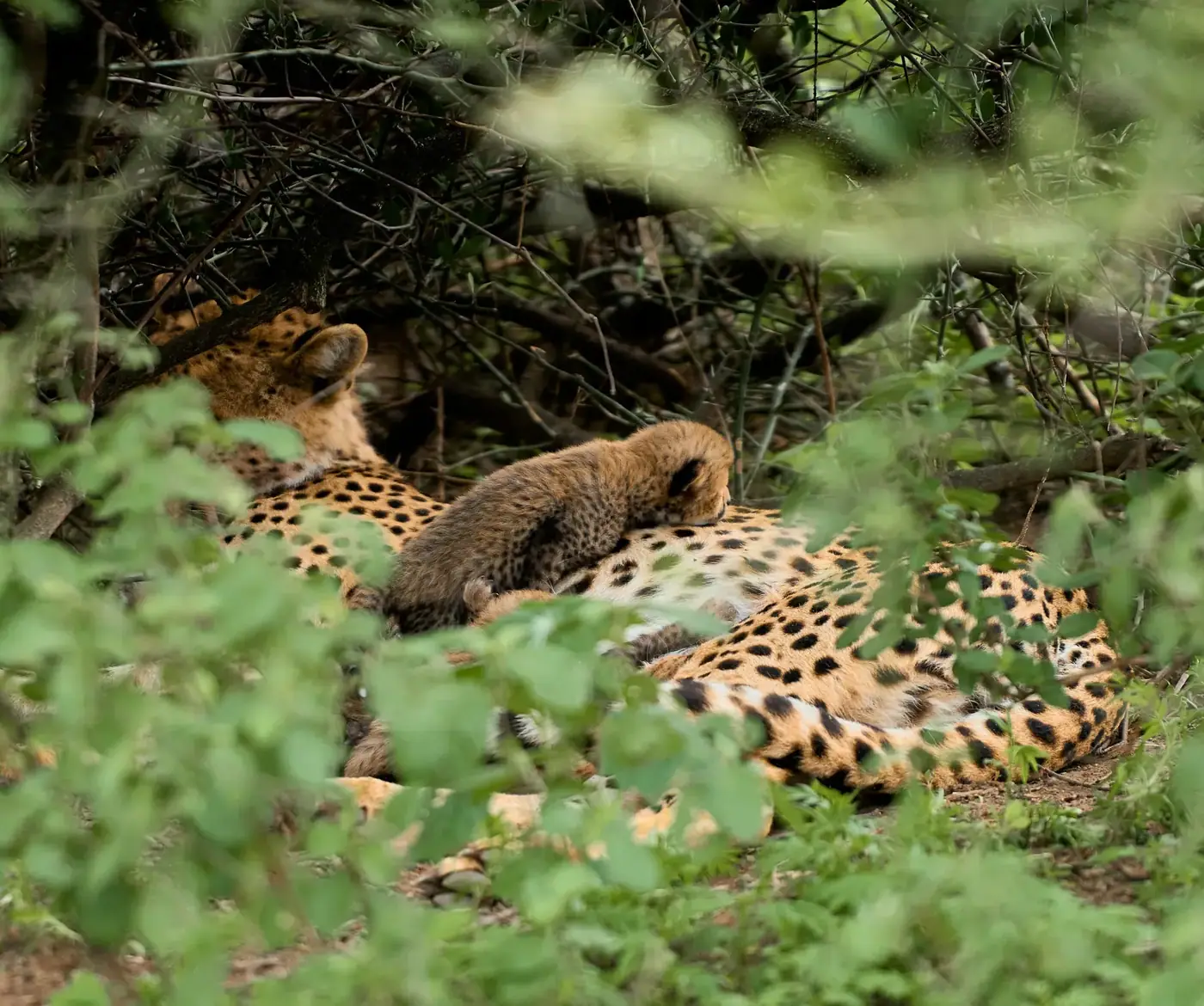
The reserve combines open savannah with riverine forest along the Mara and Talek rivers, which supports an unusual variety of animals. Lions, leopards, cheetahs and spotted hyenas are all regularly seen, along with elephants, buffalo and both Maasai giraffe and plains game in large numbers. Black rhinos live here too, though they are shy and sightings are never guaranteed.
Open terrain makes spotting easy. Cheetahs often climb termite mounds to scan for prey, and big cat sightings in the Mara are frequently long and close, which is a gift for photographers.
When to go
The drier months, roughly June to October, are the most popular because grass is shorter and animals gather near water. This is also when the wildebeest migration is usually in the Mara. January and February are also good, with warm weather and fewer visitors.
The long rains typically fall from March to May, and a shorter rainy period often arrives in November. Roads can become slow and some camps close or offer lower rates, but the landscape is green and the birdlife is excellent.
Reserve and conservancies
The national reserve is managed by local county authorities, with the western Mara Triangle run separately. Surrounding private conservancies lease land from Maasai landowners and limit the number of vehicles. In conservancies you may also enjoy night drives, guided walks and off-road driving to follow an animal, which are generally not permitted inside the reserve itself.
Where to stay
- Tented camps offer an immersive feel with canvas walls, real beds and often en-suite bathrooms.
- Lodges provide more space, pools and sometimes views over the plains.
- Mobile camps follow the seasons and suit travellers who want a more traditional bush experience.
Choose a location with your priorities in mind: the area near the Mara River for migration crossings, or a conservancy for quieter game viewing.
Getting there
Many visitors fly from Nairobi's Wilson Airport on a light aircraft to one of the reserve's airstrips, which usually takes around an hour. Others drive, and the road journey typically takes five to six hours depending on conditions and the final stretches of track. Flying saves time, while driving lets you see the Rift Valley and costs less.
Practical tips
- Book well ahead for July to September, as the best camps fill early.
- Pack neutral clothing, a warm layer for early drives and a good hat.
- Bring binoculars and a camera with a zoom lens.
- Allow at least three nights so you are not rushing between sightings.
- Ask your guide about early starts, since the cooler hours are the busiest for wildlife.
The Mara rewards patience, and the longer you stay the more it reveals. When you are ready to compare itineraries, camps and guides, browse our Kenya safari tours and find a trip that fits your dates and style.