Northern Kenya feels like a different country from the famous southern plains. Samburu National Reserve, set beside the Ewaso Nyiro River, is hot, dry and dramatic, with red earth and rocky hills. It offers wildlife you will struggle to find in the Masai Mara, which makes it a rewarding addition for return visitors and anyone who wants something a little different.
The Special Five
Samburu is known for five species that thrive in the arid north, often called the Special Five. They are the Grevy's zebra, reticulated giraffe, Somali ostrich, beisa oryx and gerenuk.
- Grevy's zebra: larger than the plains zebra, with narrow stripes and big rounded ears.
- Reticulated giraffe: distinguished by its sharply defined, net-like pattern.
- Somali ostrich: males have blue-grey necks and legs.
- Beisa oryx: an antelope with long, straight horns, well adapted to dry conditions.
- Gerenuk: a slender antelope that stands on its hind legs to browse.
Big cats and elephants
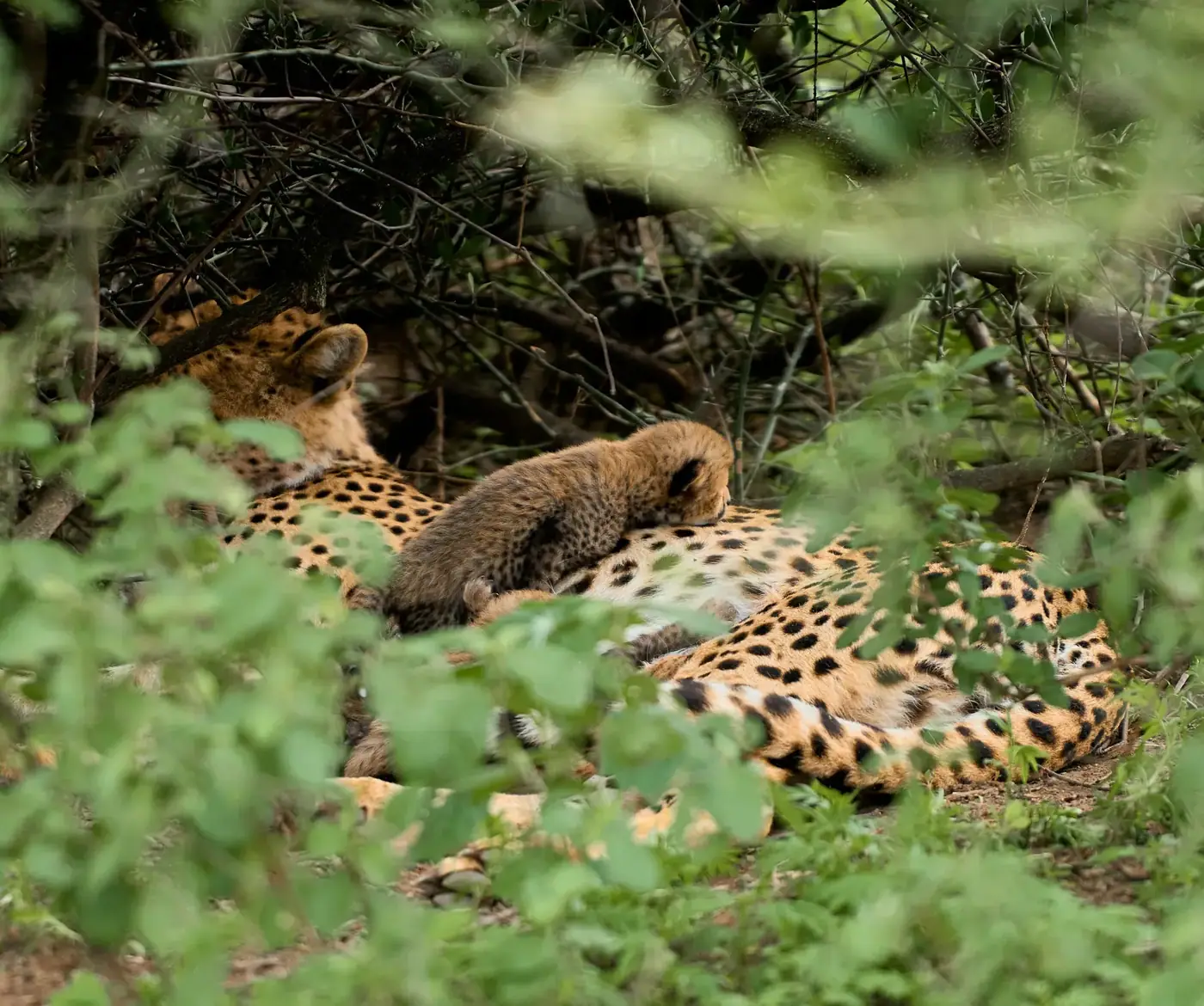
The river draws elephants, which often gather in large groups on the banks, and crocodiles lie along the water. Lions, leopards and cheetahs are present, and the region has become known for a few well-documented lionesses that adopted oryx calves in past years. Leopards are often found in riverside trees.
Because the habitat is more open and thinly vegetated, spotting animals can be easier than you might expect.
Neighbouring reserves
Samburu sits beside Buffalo Springs and Shaba National Reserves, separated by the river or by park boundaries. Together they create a sizeable wildlife area, and many lodges offer drives across more than one of them. Shaba is more remote and has different scenery, with hills and springs.
Samburu culture
The Samburu people live around the reserve and are closely related to the Maasai. They are pastoralists who keep cattle, goats and camels, and many are involved in tourism through community conservancies. A respectful visit to a community or a guided walk with a local guide can add depth to the trip.
When to go and how to get there
The region is hot most of the year, with the drier months of June to October and January to February generally best for game viewing. Heavy rains can make tracks difficult. You can drive from Nairobi in around six to seven hours, or take a short flight to one of the nearby airstrips.
Final thoughts
Samburu rewards travellers who want variety and are willing to embrace the heat. Bring a wide-brimmed hat, binoculars and a good bird guide, since the region has excellent birdlife too. Drinking water, sunscreen and a light scarf for dust are also worth packing, and an early start each morning lets you see animals at their most active before the heat builds. Many lodges have waterholes or riverside decks, so rest breaks can be productive too. To see how Samburu fits with Laikipia or the Masai Mara, browse our Kenya safari tours and choose a route that suits you.