Ruaha National Park is one of the largest protected areas in Tanzania, and arguably one of the most underrated. Remote, rugged and sparsely visited, it offers a raw bush experience that many travellers describe as what safaris used to feel like. If you are looking beyond the busy northern circuit, Ruaha deserves serious attention.
Landscape and setting
The park centres on the Great Ruaha River and its sand rivers, which feed a landscape of baobabs, acacia, miombo woodland, rocky hills and open plains. During the dry season the river shrinks to pools, and wildlife concentrates along its banks, making viewing from camps and vehicles especially productive.
Wildlife highlights
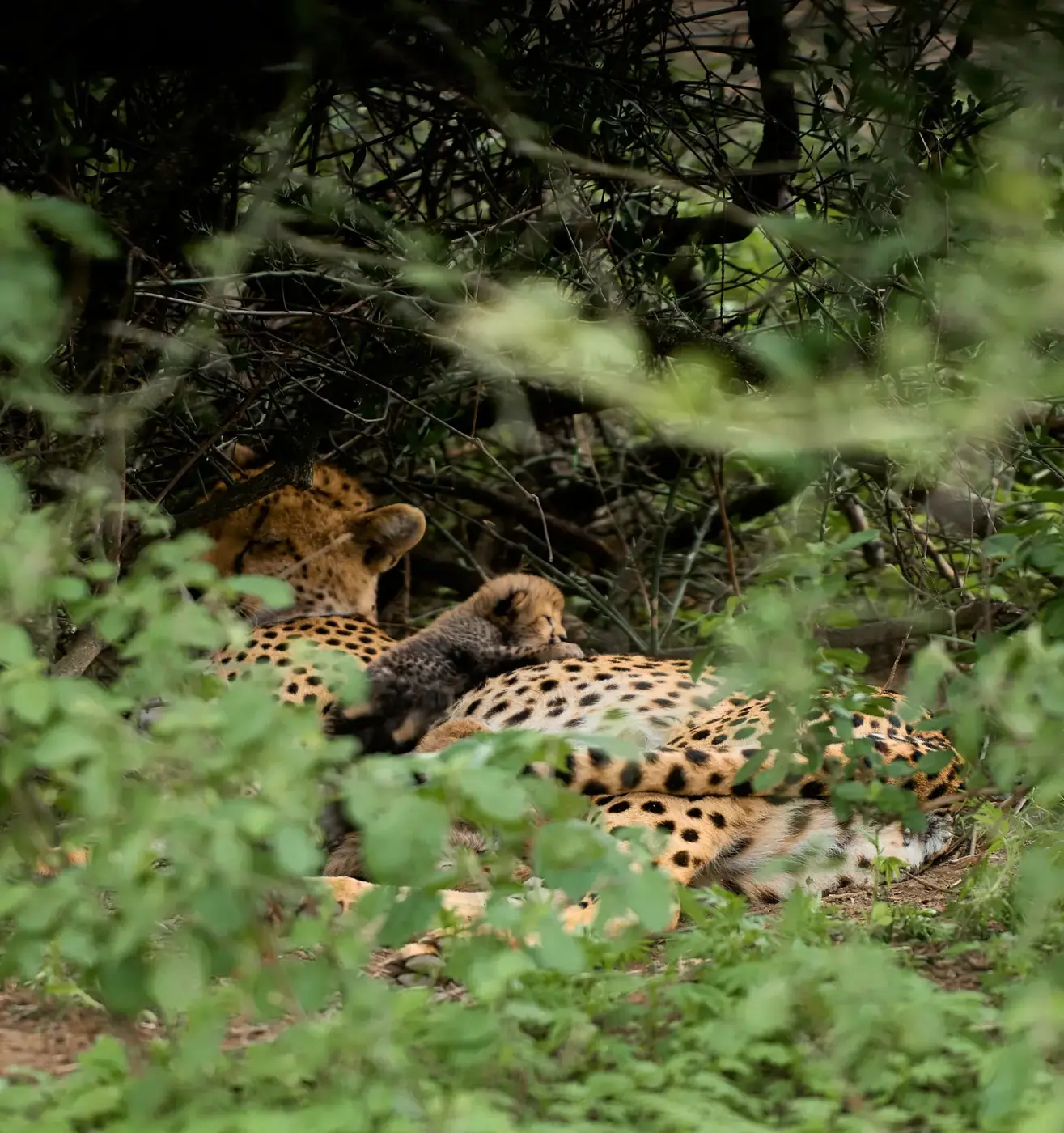
Ruaha stands out for its predators. Lions are well represented, with large prides, and leopards are seen more often than in many parks. Cheetahs and spotted hyenas are present, and African wild dogs are an occasional prize. The park also holds big elephant herds, giraffe, buffalo, zebra and hippo along the river.
Antelope variety is a particular strength. Greater and lesser kudu, sable, roan, eland and Grant's gazelle occur here, a mix that reflects the park's position between ecological zones. Birders will also find many species, including some that are more typical of southern Africa.
Best time to visit
- Dry season (roughly June to October): the best window for concentrated game viewing, open bush and good road conditions.
- Late dry season: very hot, with animals tightly clustered around remaining water.
- Green season: beautiful and quiet, but some camps close and roads can be difficult.
Activities
Game drives are the foundation, but many Ruaha camps also offer guided walking safaris with armed rangers, fly-camping in some areas, and, where permitted, night drives. These activities give a more intimate feel for the bush and its smaller details, such as tracks, birds and plants.
Getting there and staying
Most visitors arrive by light aircraft from Dar es Salaam or other hubs, which saves a long road journey. Accommodation is generally in small tented camps and lodges, many with a strong sense of place along the river or among rock outcrops. Because the park is remote and visitor numbers are low, rates can be on the higher side, though the quality of the experience is a major draw.
Conservation and community
Ruaha is part of a larger ecosystem that extends beyond the park boundary, including reserves and village lands. Good camps invest in anti-poaching support and local employment. Asking your operator how a camp contributes to conservation is a sensible way to choose where to stay and to make your visit count.
Practical tips
- Pair Ruaha with Nyerere National Park for a classic southern circuit.
- Plan at least three nights to make the flight worthwhile.
- Bring neutral clothing, a warm layer for early drives, and good binoculars.
- Ask your operator about malaria precautions well before travel.
Final thoughts: Ruaha suits travellers who value space, predators and the feel of genuine wilderness. When you are ready, browse our safari tours to compare southern Tanzania itineraries.