Tarangire National Park is famous for huge elephant herds and ancient baobab trees, and a Tarangire safari is easy to reach from Arusha.
Tarangire National Park is one of Tanzania's most rewarding yet less crowded safari destinations. Known for its huge elephant herds and ancient baobab trees, it lies about two to three hours' drive from Arusha, making it an ideal first stop or a short stand-alone trip. Map Adventure Safari includes Tarangire in many northern circuit itineraries and in shorter two to three day safaris.
Wildlife in Tarangire
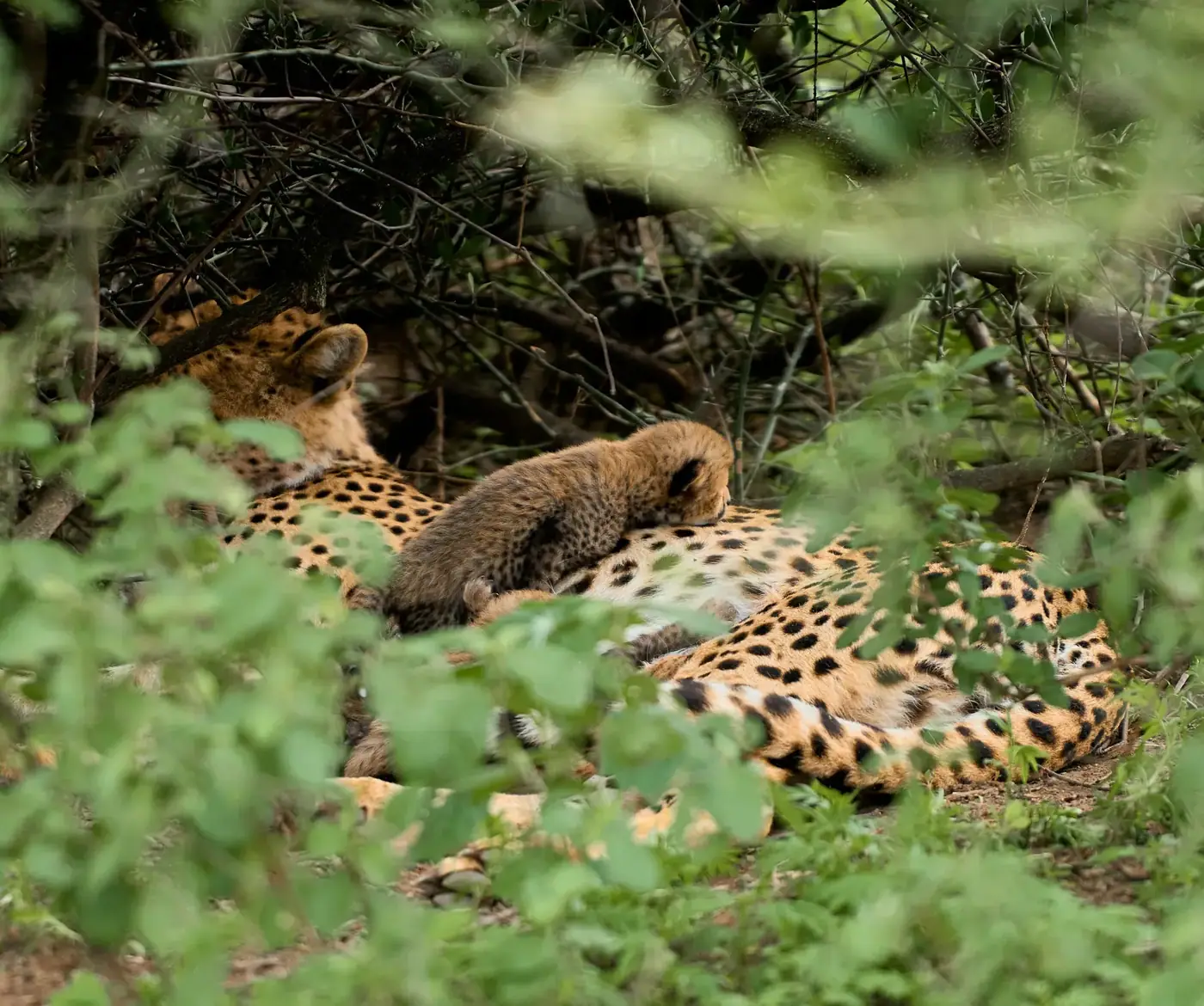
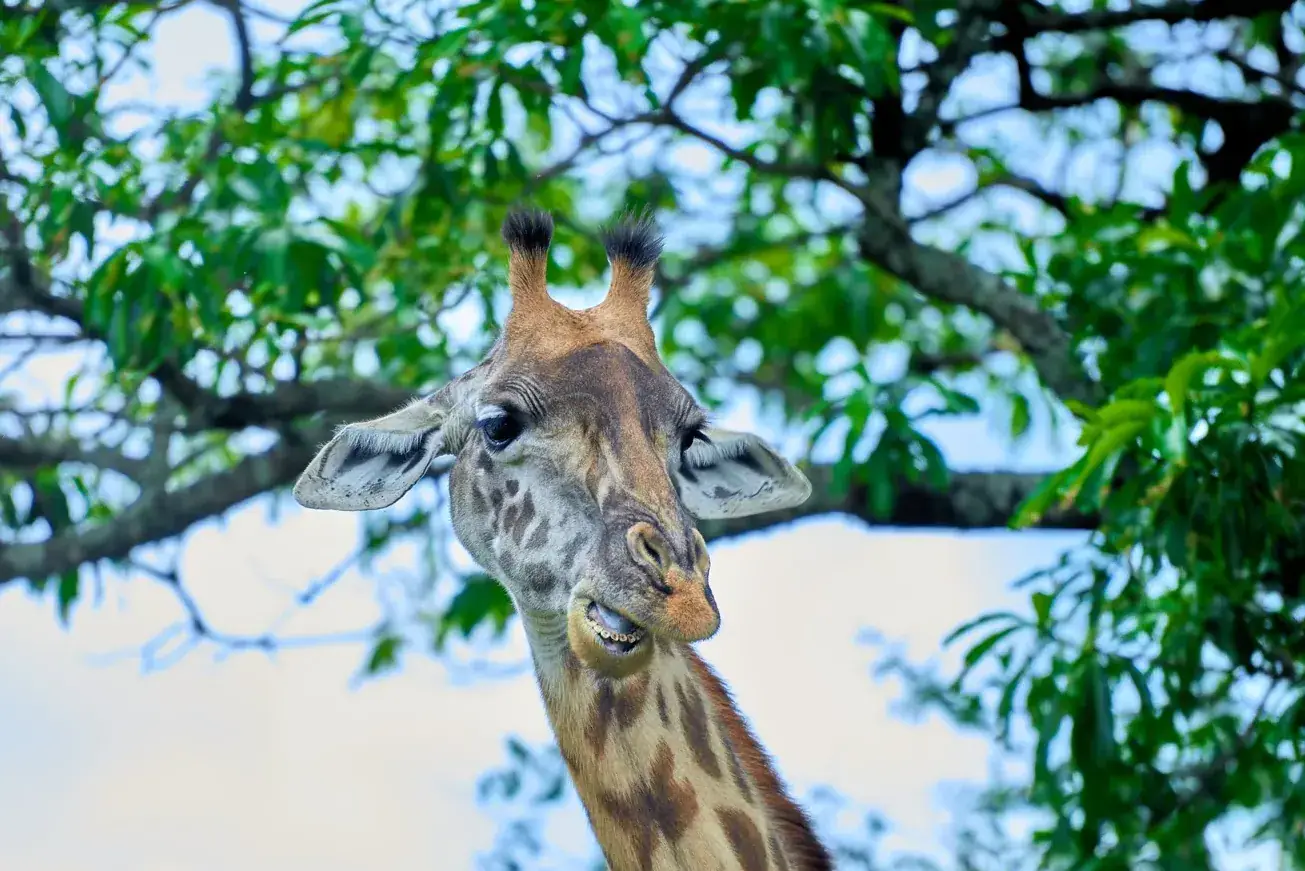
The park is best known for elephants, and in the dry season herds of dozens gather along the Tarangire River. Lions, leopards, cheetahs, giraffes, buffalo, zebras and wildebeest are all present, and the park is famous for its tree-climbing pythons and an outstanding birdlist, with hundreds of species recorded. Tarangire is a good place to see species that are harder to find elsewhere, such as fringe-eared oryx and lesser kudu.
Best time to visit Tarangire
The dry season from June to October is the best period for game viewing, as animals concentrate near the river and the grass is short. In the rainy months from November to May wildlife disperses across the wider ecosystem, but the scenery is green and the birding is excellent, with fewer vehicles. Most visitors plan Tarangire for the dry months, though it is rewarding at any time.
Why baobabs and swamps matter
The landscape mixes baobab-studded hills, acacia woodland and permanent swamps that draw wildlife when everywhere else is dry. These huge trees are a hallmark of the park and make for striking photographs at sunrise and sunset.
How long to stay
One full day is the minimum, and a night inside or near the park gives you a more relaxed pace. Many guests combine Tarangire with Lake Manyara, Ngorongoro Crater and the Serengeti on a five to seven day safari. We can also design a short two-day Tarangire and Lake Manyara trip for travellers with limited time.
Where to stay
There are lodges, tented camps and campsites inside and around the park. We select accommodation by budget and season and explain the differences clearly before you book.
Getting there
The park sits on the road from Arusha towards Lake Manyara, so it is easy to include in a northern circuit. Our drivers collect you from your Arusha hotel or the airport and take care of park fees and permits.
Tarangire through the seasons
- June to October (dry season): the Tarangire River is the main water source, so elephants, buffalo, zebras, wildebeest, giraffes and antelope concentrate along it. This is the peak period for sightings and the busiest time of year.
- November to December (short rains): brief showers turn the park green. Animals spread out but remain visible, and the light and skies are dramatic.
- January to March: green, quiet and good for birding, with young animals appearing. Roads can be soft after heavy rain.
- April to May (long rains): the wettest period, with fewer visitors and lower prices. Some camps and tracks close or are difficult.
Landscapes to look for
Tarangire is more than baobabs. The river corridor has riverine woodland and sandy banks where elephants dig for water. The Silale Swamp in the south holds water longer into the dry season and attracts buffalo and birds, though access depends on conditions. Termite mounds, rocky hills and acacia woodland give the park a varied feel for photographers. The baobab trees themselves can be more than a thousand years old.
Walking, night drives and extras
Within the national park, activities are limited to game drives in vehicles. Some lodges and camps outside the park boundary offer guided walks and night drives in the wildlife areas around Tarangire, which can reveal nocturnal animals such as genets, aardvark and bushbabies. Ask us if this interests you; availability depends on where you stay.
Tarangire or Lake Manyara?
If you only have time for one, Tarangire offers bigger wildlife numbers in the dry season, while Lake Manyara offers lake scenery, forest and birding with a shorter drive. Many itineraries combine them. Our comparison of Tarangire and Lake Manyara and our guide to visiting Tarangire go into more detail.
Tips for visiting
- Bring sunscreen and a hat; there is little shade on game drives.
- Tsetse flies can be present in some areas in the warm months; light, neutral clothing helps.
- Pack a picnic lunch, as most visits include a lunch stop at a designated picnic site.
- Choose an early start for the best light and cooler temperatures.