North of Mount Kenya, the Laikipia Plateau is a patchwork of ranches and conservancies that have become some of Kenya's most innovative wildlife destinations. Unlike national parks, much of this land is privately or community managed, which allows activities such as walking, riding and night drives. It is a standout region for travellers who want to go beyond the standard vehicle safari.
What makes Laikipia different
Laikipia holds a large share of Kenya's black rhino population and some of the country's most important populations of wild dogs, Grevy's zebra and reticulated giraffe. Many properties combine livestock ranching with conservation, supporting local communities and offering a model for how people and wildlife can share land.
The landscape ranges from rolling grassland to rocky hills and acacia scrub, with Mount Kenya often visible on clear mornings.
Activities beyond game drives
- Guided walks: following tracks and learning about plants and insects with an expert.
- Night drives: offering chances to see nocturnal animals such as aardvarks, bush babies and genets.
- Horse riding and camel treks: available at selected properties for a quieter way to approach wildlife.
- Visits to conservation projects: such as anti-poaching units or tracking teams, where offered.
These activities depend on each property's rules, so confirm what is offered before booking.
Conservancies to know
Well-known names include Lewa Wildlife Conservancy, Borana, Loisaba, Ol Jogi and Segera, each with its own style and history. Some focus on rhino protection, while others emphasise community programmes or luxury lodging. Fees from visitors usually support conservation, security and local schools or clinics.
Wildlife you may see
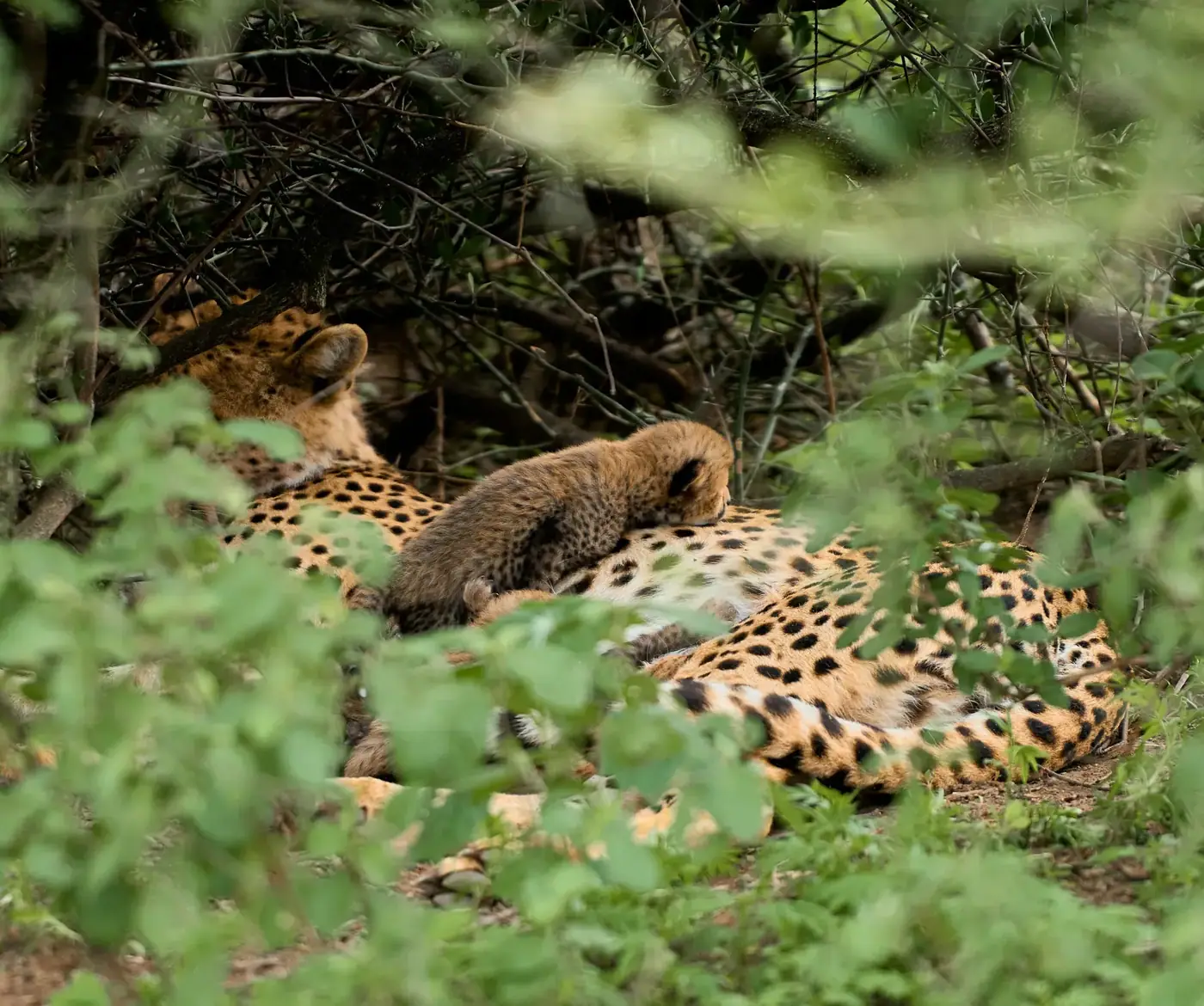
Lions, leopards, cheetahs, elephants and buffalo all live on the plateau, and wild dogs are a particular highlight, though they range widely and are never guaranteed. Birders can look for many species, including some found in the drier north. Rhino sightings are often good in protected zones.
Because conservancies limit vehicle numbers, sightings tend to feel private and unhurried. Your guide may spend long periods with a single animal or family, so bring patience and enjoy the detail rather than racing from one sighting to the next.
When to go and how to reach it
Laikipia is a good year-round choice, with the drier months of June to October and January to February often favoured. Many visitors fly into airstrips from Nairobi in around an hour, while others drive via Nanyuki. Combining Laikipia with Samburu or the Masai Mara makes a varied circuit.
Accommodation ranges from intimate bush camps to elegant family houses, and several properties welcome children with tailored activities. This flexibility makes the plateau a good option for multigenerational groups with different energy levels.
Final thoughts
Laikipia suits travellers who value activity, privacy and conservation stories as much as big game numbers. Pack comfortable walking shoes, long trousers for walks and a warm layer for chilly highland evenings. To compare conservancy stays and build a route that matches your interests, browse our Kenya safari tours.